Why Routine Dental Cleanings Are So Important
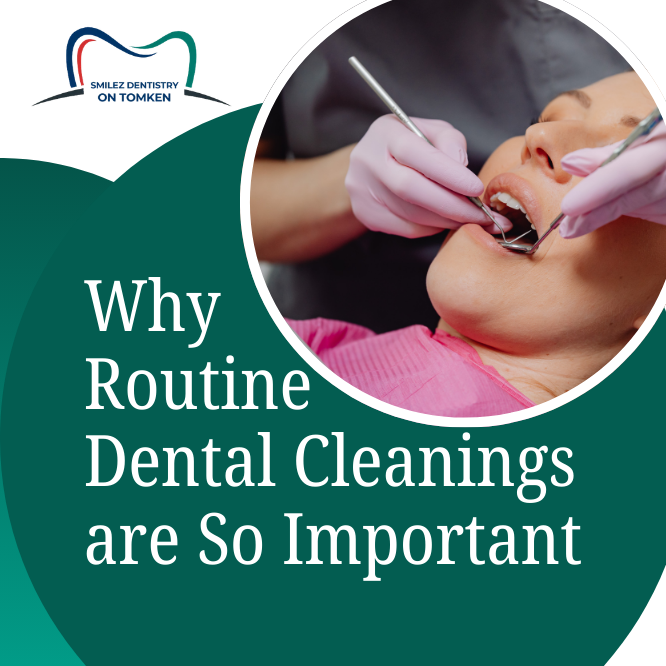
A bright, healthy smile doesn’t happen by chance — it’s the result of consistent care, smart habits, and professional support. While brushing and flossing at home are essential daily practices, they are not enough on their own to fully protect your teeth and gums. Routine dental cleanings play a critical role in maintaining oral health, preventing disease, and supporting overall well-being. Many people underestimate the importance of professional cleanings and only visit the dentist when something feels wrong. However, preventive care is the foundation of long-term dental health. Understanding why routine dental cleanings are so important can help you make informed decisions about your oral care and avoid unnecessary problems in the future. What Is Routine Dental Cleaning? A routine dental cleaning, also known as professional teeth cleaning or prophylaxis, is performed by a dental hygienist or dentist. It involves the removal of plaque, tartar, and surface stains from your teeth, followed by polishing to smooth the enamel. Even with excellent brushing and flossing habits, plaque can accumulate in hard-to-reach areas of the mouth. Over time, this plaque hardens into tartar, which cannot be removed with a toothbrush. Professional cleanings are the only way to eliminate tartar and maintain optimal oral hygiene. Plaque and Tartar: The Hidden Threats Plaque is a sticky film of bacteria that constantly forms on teeth. When plaque isn’t removed properly, it hardens into tartar, creating an ideal environment for bacteria to thrive. The buildup of plaque and tartar can lead to: Tooth decay Gum inflammation Persistent bad breath Gum disease Tooth loss Routine dental cleanings remove these harmful deposits before they cause serious damage. Preventing Cavities Before They Start Cavities are one of the most common dental problems, and they often develop silently. Plaque bacteria produce acids that erode tooth enamel, eventually leading to decay. Professional cleanings help prevent cavities by: Removing plaque from enamel surfaces Cleaning between teeth where brushing may miss Strengthening teeth through fluoride treatments when needed By keeping teeth clean and strong, routine cleanings significantly reduce the risk of cavities and more invasive treatments. Protecting Gum Health Healthy gums are just as important as healthy teeth. Gum disease is a leading cause of tooth loss in adults and often begins without noticeable pain. Early-stage gum disease (gingivitis) can cause: Redness or swelling Bleeding when brushing or flossing Mild discomfort If untreated, it can progress into periodontitis, which damages the bone supporting your teeth. Routine cleanings remove bacteria from below the gumline and help prevent gum disease from developing or worsening. Fresh Breath and a Cleaner Mouth Chronic bad breath, also known as halitosis, is often caused by bacteria buildup in the mouth. Even if you brush regularly, bacteria can remain in pockets around the gums or between teeth. Routine dental cleanings: Remove odor-causing bacteria Improve gum health Leave your mouth feeling fresher and cleaner A professional cleaning can make a noticeable difference in your confidence and comfort. Early Detection of Dental Problems Dental cleanings are usually paired with routine exams, allowing dentists to identify problems early. Catching issues in their initial stages leads to simpler, less costly treatments. During regular visits, dentists can detect: Early cavities Gum disease Enamel wear Cracks or damage to teeth Problems with existing dental work Early intervention helps prevent pain, complications, and emergency dental visits. Maintaining Dental Restorations If you have fillings, crowns, bridges, implants, or dentures, routine cleanings are essential for maintaining their condition. Dental restorations can trap plaque around their edges, increasing the risk of decay or gum disease. Professional cleanings help: Protect restorations from damage Prevent infections around dental work Extend the lifespan of treatments Regular maintenance ensures your investment in dental care lasts longer. Supporting Overall Health Oral health is closely linked to overall health. Bacteria from gum disease can enter the bloodstream and contribute to systemic conditions. Research has shown connections between poor oral health and: Heart disease Diabetes Respiratory infections Pregnancy complications Routine dental cleanings reduce inflammation and bacteria, supporting not just your smile but your entire body. Benefits for Children and Teens Children benefit greatly from routine dental cleanings as their teeth and jaws are still developing. Regular visits help establish healthy habits early and prevent childhood cavities. Professional cleanings for children: Remove plaque buildup Strengthen enamel with fluoride Monitor tooth development Encourage positive dental experiences Early prevention helps children maintain healthy smiles into adulthood. How Often Should You Get a Dental Cleaning? For most people, dental cleanings are recommended every six months. However, some individuals may need more frequent visits, including those with: Gum disease A history of frequent cavities Diabetes Smoking habits Weakened immune systems Your dentist will recommend a schedule based on your individual oral health needs. Reducing Dental Anxiety Through Prevention Many people feel anxious about dental visits, often due to fear of pain or past experiences. Routine cleanings are typically quick, gentle, and comfortable. By attending regular cleanings: Dental visits become more familiar and less stressful Problems are addressed before they become painful More invasive procedures are often avoided Preventive care helps build trust and confidence over time. Advantages of Routine Cleanings Routine dental cleanings are one of the most cost-effective forms of healthcare. Preventive care costs significantly less than restorative or emergency treatments. By staying consistent with cleanings, you: Avoid expensive procedures Reduce emergency visits Save money in the long run Many dental insurance plans also cover routine cleanings, making them an affordable way to protect your health. Signs You May Be Overdue for a Cleaning If you notice any of the following, it may be time to schedule a dental cleaning: Bleeding gums Persistent bad breath Tartar buildup Tooth sensitivity Gum tenderness Even without symptoms, regular cleanings are essential to prevent hidden issues. Building Lifelong Oral Health Habits Routine dental cleanings work best when combined with good daily habits. Brushing twice a day, flossing regularly, eating a balanced diet, and avoiding tobacco all contribute to healthier teeth and gums. Consistency is key. When preventive care becomes part of your routine, maintaining
The Importance of Regular Dental Checkups for a Healthy Smile
A healthy smile is more than just an attractive feature — it’s a reflection of your overall well-being. While daily brushing and flossing are essential, they are only part of maintaining excellent oral health. Regular dental checkups play a crucial role in preventing problems, detecting issues early, and keeping your teeth and gums in optimal condition. Many people wait until they feel pain before visiting a dentist, but preventive care is the key to avoiding discomfort, costly treatments, and long-term complications. If you want strong teeth, healthy gums, and lasting confidence, routine dental visits should be a non-negotiable part of your healthcare routine. Why Regular Dental Checkups Matter Dental problems often develop silently. Cavities, gum disease, enamel erosion, and even oral infections may not cause noticeable symptoms in their early stages. By the time pain appears, the issue may already be advanced. Regular dental checkups help: Detect cavities before they worsen Identify early signs of gum disease Prevent plaque and tartar buildup Check for oral cancer or abnormalities Monitor existing dental work Maintain overall oral hygiene Early detection means simpler treatments, lower costs, and less discomfort. Prevention Is Better Than Cure One of the biggest advantages of routine checkups is prevention. Even with excellent at-home care, plaque can build up in hard-to-reach areas. Over time, plaque hardens into tartar, which cannot be removed with regular brushing. Professional cleanings during dental visits remove tartar and reduce the risk of: Tooth decay Gingivitis Periodontitis Bad breath Tooth loss Preventive dentistry saves time, money, and stress in the long run. Early Detection of Cavities and Tooth Decay Tooth decay doesn’t happen overnight. It starts as minor enamel damage and gradually progresses deeper into the tooth. Without regular checkups, small cavities can turn into infections requiring root canal treatment or extraction. During routine exams, dentists use diagnostic tools and X-rays to detect decay between teeth or under existing fillings — areas that are impossible to see with the naked eye. Catching cavities early allows for simple fillings instead of complex procedures. Protecting Your Gums Healthy gums are the foundation of a healthy smile. Gum disease is one of the leading causes of tooth loss in adults, and it often begins without obvious pain. Early-stage gum disease (gingivitis) may cause: Red or swollen gums Bleeding while brushing Mild tenderness If untreated, it can progress into periodontitis, leading to bone loss and tooth mobility. Regular dental visits ensure gum health is monitored and treated before it becomes severe. Professional Cleaning for Long-Term Health Even the most dedicated brushing routine cannot replace professional cleaning. Dental hygienists use specialized tools to remove tartar buildup and polish teeth for a smooth, clean finish. Benefits of professional cleaning include: Brighter smile Fresher breath Reduced risk of cavities Healthier gums Improved overall oral hygiene Clean teeth are not just about appearance — they protect your long-term dental health. Oral Cancer Screening Saves Lives Oral cancer can develop without noticeable symptoms in its early stages. Dentists are trained to identify suspicious lesions, lumps, or tissue changes during routine exams. Early detection significantly improves treatment outcomes. Regular checkups ensure that any unusual signs are investigated promptly, offering peace of mind and protection. Monitoring Existing Dental Work If you have fillings, crowns, bridges, dentures, or implants, routine visits are essential to ensure everything remains in good condition. Dental restorations can wear down, loosen, or develop issues over time. Regular checkups allow your dentist to: Examine restorations for damage Adjust or repair dental work Prevent infections beneath restorations Extend the lifespan of treatments Maintaining existing dental work helps avoid unnecessary replacements. Maintaining Children’s Oral Health Children especially benefit from routine dental visits. Their teeth and jaws are still developing, making early monitoring important. Regular pediatric checkups help: Prevent cavities Apply fluoride treatments Monitor tooth alignment Educate children on proper oral hygiene Establishing positive dental habits early builds confidence and lifelong healthy routines. The Link Between Oral Health and Overall Health Oral health is closely connected to overall health. Research shows links between gum disease and systemic conditions such as: Heart disease Diabetes Respiratory infections Pregnancy complications Inflammation and bacteria in the mouth can affect other parts of the body. Regular dental checkups reduce bacterial buildup and contribute to better general health. How Often Should You Visit the Dentist? Most people should schedule dental checkups every six months. However, some individuals may require more frequent visits, including those with: Gum disease Diabetes Smoking habits Frequent cavities Weakened immune systems Your dentist will recommend a schedule tailored to your needs. Reducing Dental Anxiety Through Routine Care Many patients feel anxious about dental visits, often due to past experiences or fear of pain. Ironically, avoiding checkups can lead to more serious issues that require complex treatments. Routine visits are usually quick, comfortable, and focused on prevention. When problems are detected early, treatments are simpler and less invasive, reducing stress and discomfort. Open communication with your dental team can also make appointments more relaxed and reassuring. Financial Benefits of Preventive Care Preventive dentistry is far more affordable than restorative or emergency procedures. A simple cleaning and exam cost significantly less than treatments like root canals, crowns, or implants. By attending regular checkups, you: Avoid costly emergencies Reduce need for complex procedures Protect your long-term investment in your smile Dental insurance plans also typically cover preventive visits, making them an accessible option for maintaining health. Signs You Should Not Ignore Even between regular checkups, contact your dentist if you notice: Persistent tooth pain Bleeding gums Loose teeth Swelling in the mouth Sensitivity to hot or cold Chronic bad breath These symptoms may indicate underlying issues that require immediate attention. Building a Lifetime of Healthy Smiles Consistency is key to oral health. Brushing twice daily, flossing regularly, maintaining a balanced diet, and scheduling routine dental visits create a strong foundation for a lifetime of healthy smiles. When you prioritize preventive care, you’re not just protecting your teeth — you’re investing in your confidence, comfort, and overall health. Final Thoughts Regular
Dental Implants vs Dentures: Pros, Cons & Cost Differences
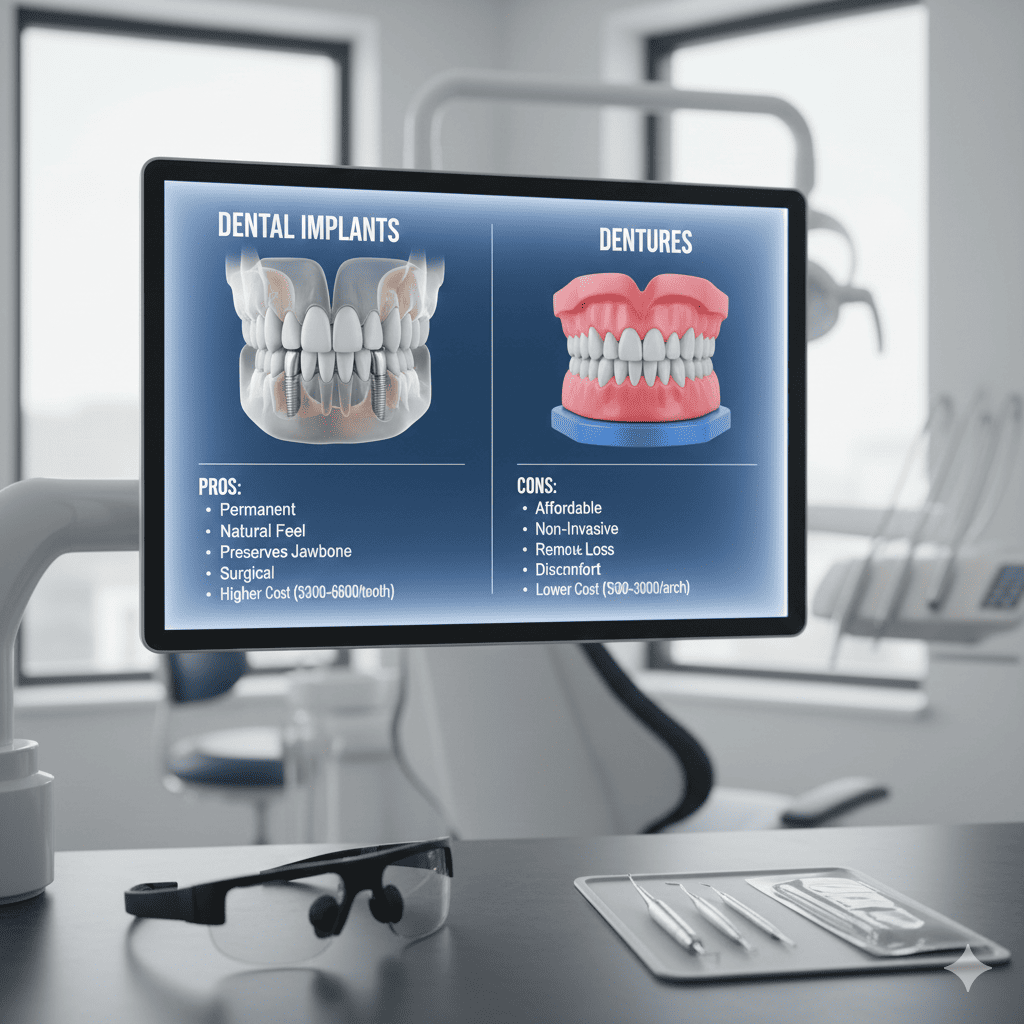
Tooth loss can impact your confidence, your ability to eat comfortably, and the overall health of your mouth. Thankfully, modern dentistry offers effective solutions to replace missing teeth, with dental implants and dentures being the two most common choices. At Smiles On Tomken, patients often ask which option is better for their needs—and the truth is, the right choice depends on your oral health, lifestyle, and long-term goals. If you’re trying to decide between dental implants and dentures, understanding the pros, cons, and cost differences can help you make an informed decision. What Are Dental Implants? Dental implants are permanent replacements for missing teeth. They consist of a titanium post surgically placed into the jawbone, an abutment, and a custom-made crown. Over time, the implant fuses with your jawbone through osseointegration, creating a stable foundation that looks and feels like a natural tooth. Implants are considered the most advanced and durable option available today. What Are Dentures? Dentures are removable prosthetic appliances designed to replace missing teeth. They come in two main types: Full dentures, which replace all teeth in the upper or lower arch Partial dentures, which replace several missing teeth while leaving natural teeth in place Dentures rest on the gums and are custom-made to fit your mouth. They offer an affordable and non-surgical solution for tooth loss. Pros of Dental Implants Long-Lasting & DurableImplants can last decades—and often a lifetime—with proper care. Unlike dentures, they don’t need to be removed or replaced frequently. Natural Look and FeelImplants mimic natural teeth in appearance and function. You can eat, speak, and smile confidently without worrying about slipping or clicking. Preserves Jawbone HealthImplants stimulate the jawbone the same way natural tooth roots do. This prevents bone loss, facial sagging, and future shifting of teeth. Easy MaintenanceYou can brush and floss implants like natural teeth—no special cleaning routines or adhesives needed. Cons of Dental Implants Higher Upfront CostImplants tend to be more expensive initially than dentures, though they may be more cost-effective over time. Requires SurgerySome patients may not qualify for implants due to insufficient bone density or certain medical conditions. Additional procedures like bone grafts may be required. Longer Treatment TimelineImplants can take several months from placement to final restoration, depending on healing time. Pros of Dentures Most Affordable Option Dentures have a significantly lower upfront cost, making them accessible for many patients. Non-Surgical Solution No surgery is needed, which is ideal for patients who prefer a quick, non-invasive option. Quick Results Dentures can often be made and fitted within weeks, providing a fast and functional smile solution. Suitable for Multiple Missing Teeth Dentures are a simple and effective option if you’re missing several or all teeth. Cons of Dentures Potential for Slipping Dentures may move when eating or speaking, especially as the jawbone changes over time. Jawbone Shrinkage Because dentures do not stimulate the jawbone, bone loss can occur over the years, eventually affecting fit and facial structure. Requires Regular Adjustments Dentures may need to be relined, adjusted, or replaced every few years. Extra Daily Care Dentures must be removed and cleaned daily and should be soaked overnight. Cost Differences: Implants vs. Dentures Dental Implants The cost of a single dental implant can vary depending on the complexity of the case, but generally includes: The implant post The abutment The crown Any bone grafts or additional procedures While implants cost more upfront, they often require fewer long-term replacements and provide a long-lasting solution. Dentures Dentures typically have a lower initial cost. This includes: Full or partial denture appliance Fittings and adjustments However, because dentures need to be replaced every 5–8 years and often require ongoing adjustments, long-term costs may be higher than expected. Which Option Is Right for You? The best tooth replacement option depends on your needs, oral health, and budget. Choose dental implants if you want: A permanent solution Maximum comfort and stability Long-term cost efficiency The most natural feel and appearance Choose dentures if you want: A budget-friendly solution A non-surgical treatment Faster results Replacement for multiple missing teeth At Smiles On Tomken, our team will evaluate your teeth, gums, and bone structure to help determine the best choice for your long-term oral health. Restore Your Smile with Smiles On Tomken Whether you’re considering implants, dentures, or exploring both options, we’re here to guide you through every step of your smile restoration journey. Book a consultation today at Smiles On Tomken and discover the tooth replacement option that’s right for you.
The Different Types of Dental Bridges: Fixed, Cantilever, and Maryland Explained
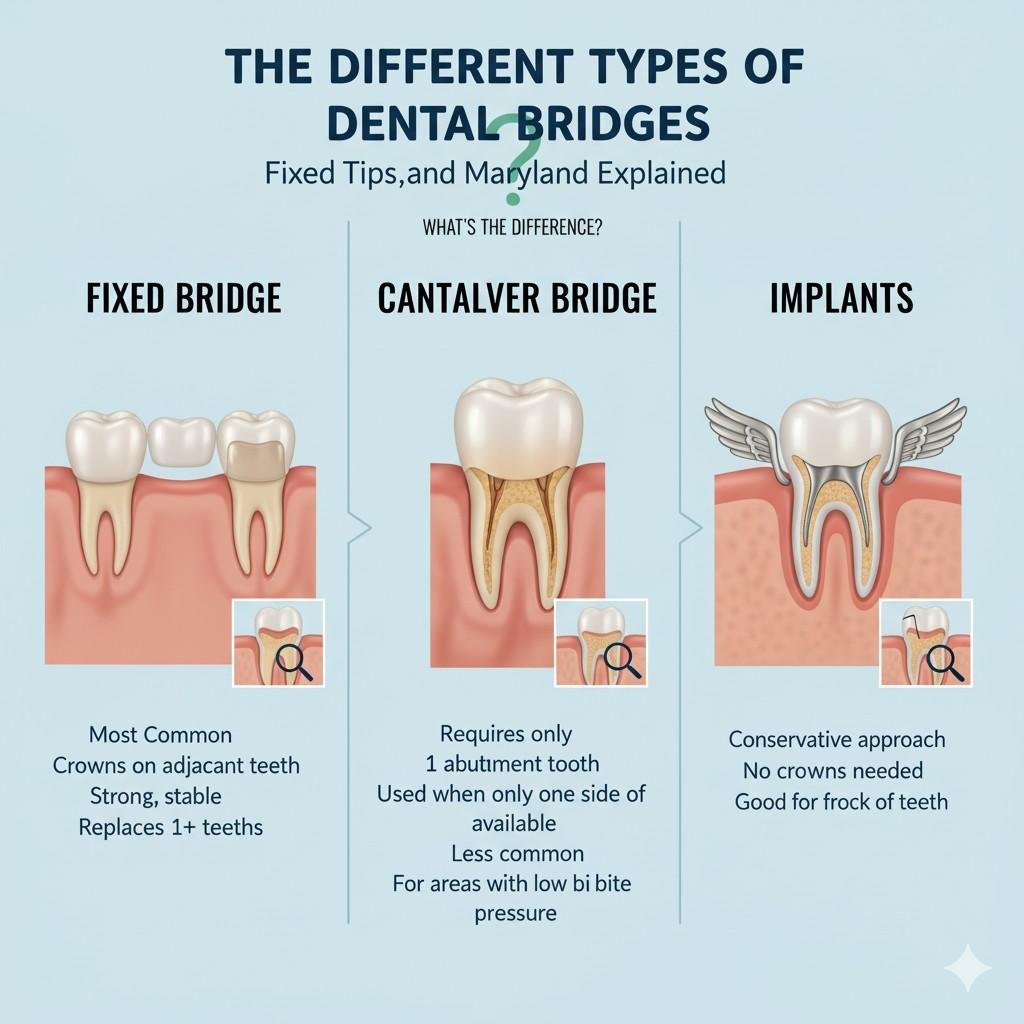
Missing teeth can affect more than just your smile—they can also impact how you speak, chew, and even how your jaw functions over time. Fortunately, modern dentistry offers effective solutions to restore both your confidence and oral health. One of the most reliable and time-tested options is a dental bridge, a prosthetic device that fills the gap left by missing teeth. At Smiles On Tomken, we know that choosing the right dental bridge can make a significant difference in comfort, aesthetics, and longevity. Understanding the different types—fixed, cantilever, and Maryland bridges—can help you make an informed decision about which one best suits your needs. What Is a Dental Bridge? A dental bridge literally “bridges” the gap between two teeth. It consists of one or more artificial teeth (called pontics) supported by natural teeth or implants on either side of the gap. The supporting teeth, known as abutment teeth, are often covered with crowns that hold the bridge securely in place. Dental bridges not only restore your smile but also: Improve chewing and speaking ability Prevent surrounding teeth from shifting out of alignment Maintain the shape of your face Restore bite balance and oral function There are several types of dental bridges available, each with unique advantages. Let’s take a closer look at the three most common options. 1. Fixed Dental Bridge A fixed bridge, also known as a traditional bridge, is the most common and widely used type. It consists of one or more pontics anchored by crowns on the abutment teeth on both sides of the missing tooth or teeth. How it works: Your dentist prepares the adjacent teeth by reshaping them to fit crowns. The custom bridge—crafted to match your natural teeth—is then cemented permanently in place, creating a strong and seamless restoration. Advantages: Provides excellent stability and strength Offers a natural look and feel Long-lasting with proper care (typically 10–15 years or more) Suitable for replacing one or more missing teeth in a row Considerations: Requires removal of some enamel from the supporting teeth to place crowns Relies on the strength and health of surrounding teeth A fixed dental bridge is ideal for patients with healthy adjacent teeth and those looking for a durable, natural-looking solution. 2. Cantilever Dental Bridge A cantilever bridge is similar to a fixed bridge, but it’s supported by a crown on only one adjacent tooth rather than two. This type of bridge is used when there is only one natural tooth next to the gap—typically at the back of the mouth. How it works: The pontic is attached to a crown placed on the supporting tooth, extending over the space where the missing tooth was. Advantages: Requires less preparation than a traditional bridge A good option when only one side of the missing tooth has a healthy adjacent tooth Considerations: Not as strong as a traditional bridge due to one-sided support May place extra stress on the abutment tooth Generally recommended for low-pressure areas, such as front teeth, rather than molars A cantilever bridge can be an excellent choice for patients missing a single tooth with only one suitable adjacent tooth for support. 3. Maryland Dental Bridge A Maryland bridge, also known as a resin-bonded bridge, offers a more conservative alternative to the traditional bridge. Instead of using crowns, it uses a metal or porcelain framework with wings that are bonded to the back surfaces of the adjacent teeth. How it works: The artificial tooth (pontic) is attached to the framework, which is then bonded using dental resin. This method requires minimal alteration to the surrounding teeth, preserving most of the natural enamel. Advantages: Minimally invasive—little to no enamel removal More affordable than traditional bridges A good option for replacing front teeth, where chewing pressure is lighter Considerations: Not as strong as a fixed bridge; may loosen over time The metal framework can sometimes cause slight discoloration of the supporting teeth Best suited for patients with healthy, strong adjacent teeth and good bite alignment The Maryland bridge is often chosen for patients seeking a conservative, aesthetic solution for missing front teeth. Which Bridge Is Right for You? The ideal type of dental bridge depends on several factors, including: The location of the missing tooth The condition of the surrounding teeth Your bite alignment and oral health Your budget and cosmetic goals At Smiles On Tomken, our dental team evaluates each patient’s unique situation to recommend the most suitable option. Whether you need the strength of a fixed bridge, the simplicity of a cantilever bridge, or the minimally invasive approach of a Maryland bridge, we ensure your restoration feels comfortable and looks completely natural. Caring for Your Dental Bridge No matter which type you choose, proper care is essential to ensure your bridge lasts for years. Here are a few key tips: Brush twice daily with a soft-bristled toothbrush and fluoride toothpaste. Floss carefully around and under the bridge using a floss threader or water flosser. Visit your dentist regularly for cleanings and checkups. Avoid biting on hard foods or objects to prevent damage. Good oral hygiene and routine dental visits will keep your bridge strong, functional, and beautiful. Final Thoughts Dental bridges are a reliable, time-tested way to restore missing teeth and regain confidence in your smile. Whether you choose a fixed, cantilever, or Maryland bridge, each option offers unique benefits designed to meet your specific dental needs. At Smiles On Tomken, we’re dedicated to helping you achieve a healthy, complete, and radiant smile through personalized care and advanced restorative solutions. Schedule a consultation with our experienced dental team today to find out which type of bridge is right for you.
Are Composite Fillings Safe? Facts You Should Know
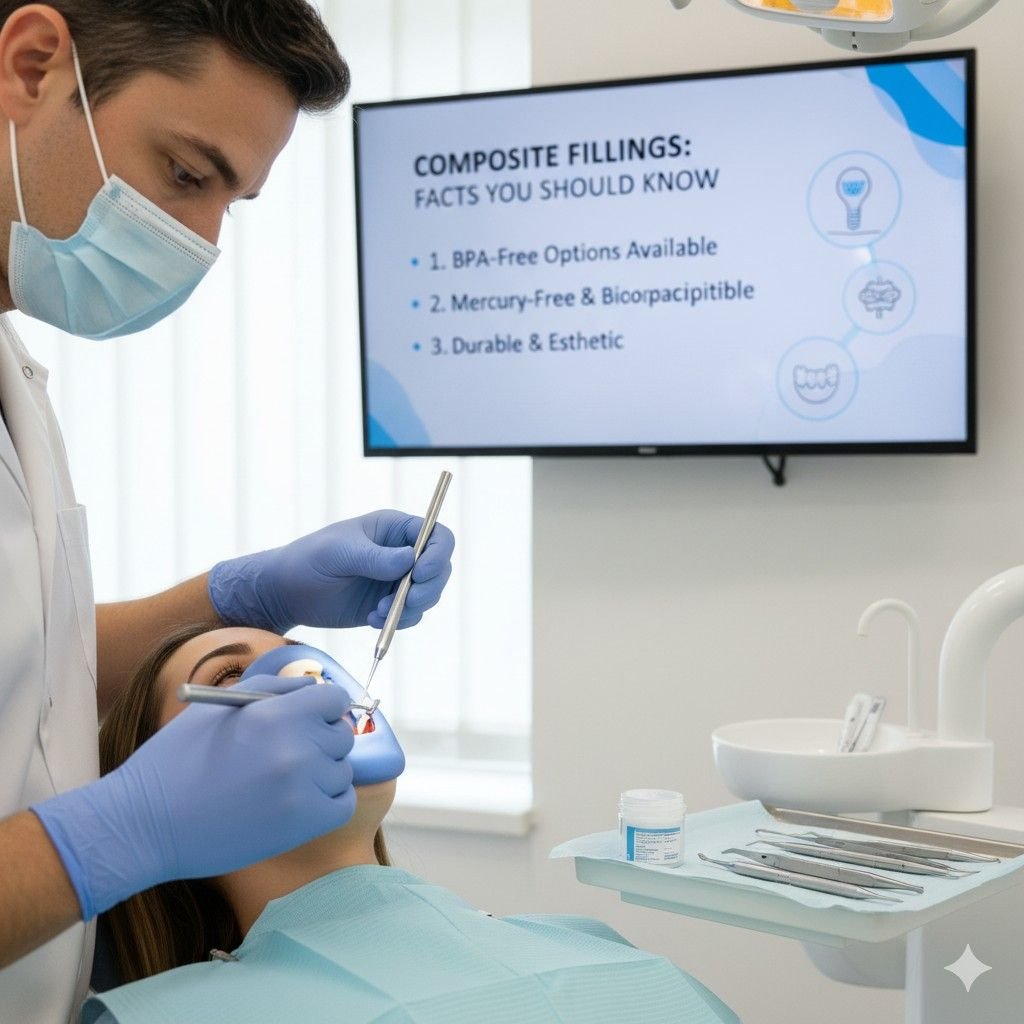
When you hear the words “you have a cavity,” the next step usually involves getting a filling. But with so many options available, it’s natural to wonder what materials are used—and more importantly, whether they’re safe. At Smiles On Tomken, one of the most common questions we hear from patients is: “Are composite fillings safe?” The short answer is yes, composite fillings are safe and widely used in modern dentistry. In fact, they’re one of the most popular choices for restoring decayed or damaged teeth—not only because of their safety but also for their aesthetic benefits. Let’s take a closer look at what composite fillings are, how they compare to other materials, and why they’re considered a safe and effective solution. What Are Composite Fillings? Composite fillings—also known as tooth-coloured fillings—are made from a mixture of resin (plastic) and glass or ceramic particles. This combination creates a strong, durable material that closely matches the natural colour of your teeth. As a result, composite fillings blend in seamlessly with your smile, making them a great option for both front and back teeth. They are used to: Repair cavities Fix chipped or broken teeth Close gaps between teeth Reshape teeth for cosmetic purposes Are Composite Fillings Safe? Yes, composite fillings are considered safe by dental professionals and major health organizations, including the Canadian Dental Association (CDA) and the American Dental Association (ADA). Here are a few reasons why they’re considered safe: Mercury-Free Material Unlike traditional silver (amalgam) fillings, composite fillings contain no mercury. This is a big reason why many patients—and dentists—prefer them. Although amalgam fillings are still considered safe by many authorities, some individuals choose to avoid mercury for personal health and environmental reasons. Biocompatibility Composite materials are biocompatible, meaning they are generally well-tolerated by the body. Allergic reactions are extremely rare, but if you have known sensitivities or health concerns, our team at Smiles On Tomken can help assess what’s best for your needs. Safe for All Ages Composite fillings are safe for children, teens, adults, and seniors. In fact, they are often the preferred choice for pediatric dental care because they are less noticeable and require less tooth removal. Benefits of Composite Fillings Beyond safety, composite fillings offer several benefits that make them an attractive option for patients seeking both form and function. ✔ Natural Appearance The biggest advantage of composite fillings is that they match your natural tooth colour, making them ideal for visible areas of your mouth. Once placed, they are virtually invisible. ✔ Minimally Invasive Composite resin bonds directly to your tooth, allowing for a more conservative treatment. Less drilling means more of your natural tooth is preserved. ✔ Versatile Use Composite material can be used not only for fillings but also for cosmetic improvements like reshaping teeth or repairing chips. ✔ Strong and Durable Modern composites are durable and can last many years, especially with good oral hygiene and regular dental checkups. Are There Any Downsides? Like all dental materials, composite fillings have a few limitations to consider: Slightly Less Durable Than Amalgam: In some cases—particularly with large fillings in back molars—composite may wear faster than metal. However, advances in material technology have greatly improved their strength. Slightly More Expensive: Composite fillings may cost a bit more than amalgam, but many patients find the natural look well worth the difference. Technique-Sensitive: Proper placement requires a dry field and more time, which is why it’s important to have them done by an experienced dental team—like ours at Smiles On Tomken. How Long Do Composite Fillings Last? With proper care, composite fillings can last 7 to 10 years or more. Factors like oral hygiene, diet, teeth grinding, and the size of the filling can affect longevity. Regular checkups help monitor your fillings and ensure they’re holding up well. What Happens During a Composite Filling Procedure? Getting a composite filling is a straightforward process. Here’s what to expect at Smiles On Tomken: Numbing the Area: Local anesthesia is used to keep you comfortable. Removing Decay: The damaged part of the tooth is carefully cleaned out. Placing the Filling: Composite resin is applied in layers, cured with a special light, then shaped and polished to match your tooth. Bite Adjustment: We check your bite and make adjustments so your teeth come together comfortably. You can eat and drink shortly after the procedure, although we recommend waiting until the numbness wears off completely. Final Thoughts Composite fillings are a safe, attractive, and reliable solution for treating cavities and restoring damaged teeth. They provide excellent performance and blend in beautifully with your natural teeth—without the use of metals or mercury. At Smiles On Tomken, your health and safety are our top priorities. If you have concerns about your fillings or want to learn more about your options, we’re here to help you make the best choice for your smile. Need a Filling or Want to Replace Old Ones? Book an appointment with Smiles On Tomken today and let our experienced dental team provide you with high-quality, personalized care. 📞 Call us or 📅 book online—we’re here to help you smile with confidence!