
Why Preventive Dentistry Is Important for Mississauga Families

A healthy smile does not happen by chance. It requires consistent care, regular dental visits, and daily habits that protect your teeth and gums over time. For families in Mississauga, preventive dentistry plays an important role in maintaining strong oral health and reducing the risk of unexpected dental problems. Many dental concerns can develop quietly without causing noticeable discomfort in the early stages. Small cavities, early gum problems, or changes in oral health may go unnoticed until they become more serious. Regular dental checkups allow these concerns to be identified sooner, making it easier to manage them with timely care. Preventive dentistry focuses on protecting your smile before major problems occur. By combining professional dental care with good home routines, families can support healthier teeth, improve confidence, and create positive dental habits that last for years. What Is Preventive Dentistry and Why Does It Matter? Understanding Preventive Dental Care Preventive dentistry refers to dental services and practices designed to maintain good oral health and prevent dental issues before they require complex treatment. It includes regular dental examinations, professional cleanings, oral health guidance, and early detection of potential concerns. The main goal of preventive dental care is to keep your teeth and gums healthy through ongoing monitoring and proper maintenance. Instead of waiting for pain or discomfort, preventive visits allow your dentist to identify changes and provide recommendations that support long-term oral health. For families, preventive dentistry creates a proactive approach to dental care. It helps children, adults, and seniors understand the importance of protecting their smiles at every stage of life. Why Prevention Is Better Than Waiting for Dental Problems Many people schedule dental appointments only when they experience symptoms such as tooth pain, sensitivity, or swelling. While dental treatment can address these concerns, waiting too long may allow a small issue to become more complicated. Regular visits to a dentist in Mississauga provide an opportunity to detect problems earlier. Early treatment is often simpler, more comfortable, and easier to manage compared to addressing advanced dental concerns. Preventive care also helps families avoid interruptions to their daily routines by reducing the chances of sudden dental emergencies. The Importance of Preventive Dentistry for Mississauga Families Supporting Children’s Dental Health From an Early Age Children benefit greatly from preventive dental care because early experiences can shape their attitude toward oral health. Introducing children to regular dental visits helps them become comfortable with the dental environment and understand why caring for their teeth matters. A children’s dental visit is not only about checking for cavities. It also provides an opportunity to monitor tooth development, discuss brushing habits, and guide parents on ways to support healthy routines at home. When children learn good oral care habits early, they are more likely to continue these practices as they grow. Preventive dentistry helps create a strong foundation for lifelong dental health. Helping Adults Maintain Healthy Smiles Adults often manage busy schedules with work, family responsibilities, and personal commitments. Because of this, dental appointments are sometimes delayed. However, regular preventive care remains important for protecting teeth and gums throughout adulthood. Professional dental cleanings help remove plaque buildup that daily brushing and flossing may not completely eliminate. Dental examinations also allow your dentist to monitor changes and provide advice based on your individual needs. Maintaining regular dental visits can help adults protect their natural teeth, maintain confidence in their smiles, and address concerns before they affect daily comfort. Supporting Oral Health for Seniors As people age, their dental needs can change. Seniors may experience concerns related to gum health, tooth sensitivity, existing dental work, or changes caused by certain medications. Preventive dental visits allow these concerns to be monitored and managed effectively. Regular care can help seniors maintain comfort, proper function, and confidence when speaking or eating. A consistent relationship with a dental provider gives older adults access to guidance and support that matches their changing oral health needs. Key Benefits of Preventive Dentistry in Mississauga Early Detection Helps Protect Your Smile One of the greatest advantages of preventive dentistry is finding dental concerns before they become more serious. During regular examinations, dentists can identify early signs of cavities, gum concerns, worn dental restorations, or other changes. Addressing these issues early may reduce the need for more extensive procedures later. It also allows patients to understand their oral health better and make informed decisions about their care. Routine dental visits provide valuable insight into the condition of your smile and help create a plan for maintaining healthy teeth and gums. Preventing Cavities and Gum Problems Cavities and gum problems are common dental concerns that can often be reduced with proper care. Brushing twice daily, flossing regularly, eating balanced meals, and visiting your dentist consistently all contribute to better oral health. A dental professional can also identify areas where your routine may need improvement. Personalized recommendations can help you develop habits that better protect your teeth. Preventive dentistry combines professional support with everyday care, making it easier for families to maintain healthier smiles. Improving Long-Term Oral Health Preventive care is about more than avoiding immediate dental problems. It helps create a long-term approach to maintaining your smile and supporting overall well-being. Healthy teeth and gums can make everyday activities such as eating, speaking, and smiling more comfortable. Regular dental care also allows your dentist to track changes over time and provide appropriate recommendations. For Mississauga families, preventive dentistry is an investment in maintaining strong and confident smiles for years to come. Common Preventive Dental Services Families Should Consider Regular Dental Examinations Dental examinations are an essential part of preventive care. During these appointments, your dentist evaluates your teeth, gums, and overall oral condition to identify any areas that may need attention. These visits provide a complete picture of your current oral health and help determine the best approach for maintaining your smile. Regular examinations also give patients the opportunity to discuss concerns, ask questions, and receive professional advice. Professional Dental Cleanings Even with excellent brushing and flossing habits,
How to Choose the Best Dental Clinic Near You in Mississauga
Choosing a dental clinic is an important decision for you and your family. The right dentist can help you maintain healthy teeth and gums, address concerns before they become serious, and make regular dental visits a more comfortable part of your routine. With many dental clinics available in Mississauga, knowing what to look for can make the decision much easier. Searching for a dental clinic in Mississauga is often the first step, but location should not be the only consideration. A clinic may be close to your home or workplace, but it should also provide the services, communication, and level of care that suit your needs. Taking a little time to compare your options can help you find a dental provider you can rely on for years. Whether you need routine dental checkups, professional cleanings, restorative treatment, or help with a specific concern, your choice of dental clinic can have a lasting impact on your oral health. This guide explains the key factors to consider when looking for a dentist in Mississauga. What Should You Look for in a Dental Clinic Near You in Mississauga? Consider the Range of Dental Services One of the first things to consider is whether the dental clinic offers the services you and your family may need. A clinic that provides a broad range of treatments can make ongoing dental care more convenient because you may not need to visit different providers for different concerns. Routine examinations and cleanings are essential, but your needs may change over time. You may eventually require a filling, crown, tooth extraction, dental implant, cosmetic treatment, or emergency dental care. Choosing a clinic that can support different stages of your oral health can make managing your dental care simpler. It is also worth considering whether the clinic provides care for different age groups. Families often benefit from having a dental provider who can care for children, adults, and older family members in one convenient location. Look for a Focus on Preventive Dental Care A good dental clinic should not only treat problems after they develop. Preventive care should be an important part of the clinic’s approach to oral health. Regular dental examinations and professional cleanings can help identify potential concerns at an early stage. Your dentist can also provide practical advice about brushing, flossing, diet, and other habits that can help protect your teeth and gums between appointments. When a dental clinic focuses on prevention, the goal is to help you maintain your natural teeth and avoid unnecessary dental problems whenever possible. Why Location Matters When Choosing a Dentist in Mississauga Choose a Convenient Dental Clinic Convenience can make a major difference in how consistently you attend dental appointments. A clinic that is close to your home, workplace, school, or regular travel route may make it easier to fit dental care into a busy schedule. This is especially useful for families with children who may have several appointments throughout the year. A convenient location can reduce travel time and make it easier to keep appointments instead of postponing them. However, convenience should work alongside quality care. The closest clinic is not necessarily the right choice if it does not meet your expectations for services, communication, and patient care. Think About Your Long-Term Dental Needs When choosing a dental clinic near you in Mississauga, think beyond your immediate appointment. Consider whether the clinic could continue to meet your needs as your circumstances change. For example, you may currently need only regular cleanings and examinations, but your dental needs could be different several years from now. Having a dental provider who can support preventive, restorative, and other forms of dental care can make your long-term dental journey more consistent. A good dental relationship develops over time, so choosing a clinic with your future needs in mind can be worthwhile. Consider the Dentist’s Experience and Approach Experience Matters, but Communication Matters Too A dentist’s professional experience is an important consideration when choosing a dental clinic. Patients want to feel confident that their concerns are being assessed carefully and that recommended treatments are appropriate for their individual situation. At the same time, good dental care involves more than technical knowledge. Your dentist should listen to your concerns, explain your options clearly, and give you enough information to make informed decisions about your treatment. You should feel comfortable asking questions about your dental health. Clear communication can help you understand what is happening during your appointment and why a particular treatment may be recommended. Look for Personalized Dental Care Every patient has different oral health needs. Age, previous dental treatment, daily habits, lifestyle, and existing conditions can all influence the type of care that may be appropriate. A personalized approach means that your dental care is based on your specific situation rather than treating every patient in exactly the same way. Your dentist should take the time to understand your concerns and discuss options that make sense for you. This approach can be especially valuable for families because children, adults, and seniors may each require different types of dental guidance and treatment. Pay Attention to Patient Comfort A Welcoming Environment Can Make Dental Visits Easier Some people feel nervous about visiting the dentist, particularly if they have had an uncomfortable experience in the past. A welcoming dental environment can make appointments feel less stressful. Pay attention to how the dental team communicates with patients. Staff members should be respectful, helpful, and willing to answer questions about appointments and procedures. A comfortable experience can encourage patients to attend regular checkups instead of delaying care until a dental problem becomes painful. Discuss Dental Anxiety With Your Dentist If you feel nervous about dental treatment, let your dental team know before your appointment. Sharing your concerns gives the dentist an opportunity to explain the procedure and discuss ways to make your visit more comfortable. Understanding what will happen during an appointment can make the experience feel more manageable. A patient-focused dentist should be willing to listen and
What to Expect During Your First Visit to a Dentist in Mississauga

Visiting a dentist for the first time can feel unfamiliar, especially if you are unsure about what will happen during your appointment. Whether you are new to Mississauga, changing dental clinics, or returning for regular care after some time, knowing what to expect can help you feel more comfortable and prepared. A first dental visit is not only about checking your teeth. It is an opportunity for your dentist to understand your oral health needs, discuss your concerns, and create a personalized plan to keep your smile healthy. A professional dental team focuses on making your experience comfortable while providing the information you need to make confident decisions about your care. For individuals and families looking for a trusted dentist in Mississauga, understanding the process of a first appointment can make dental visits feel easier. From reviewing your health history to completing a detailed examination, every step is designed to support your long-term oral health. Why Your First Dental Visit Is Important Your first appointment sets the foundation for your future dental care. It allows your dentist to learn about your current oral health, identify any concerns, and understand your goals. Even if your teeth feel healthy, regular dental visits are important because some dental issues may not cause noticeable symptoms in the early stages. A comprehensive first visit helps detect potential problems before they become more serious. Early attention to concerns such as cavities, gum problems, or tooth damage can help prevent discomfort and more complex treatments in the future. Your dentist will also take time to answer questions and explain recommended treatments. A good dental experience is built on trust, communication, and helping patients understand their oral health. What Happens Before Your Dental Appointment Completing Your Patient Information Before your first visit, you will usually be asked to provide important information about your health history. This may include details about previous dental treatments, medications, allergies, and any health conditions that may affect your dental care. Providing accurate information helps your dentist create a safe and effective treatment plan. Your dental team needs to understand your overall health because many factors can influence your teeth, gums, and oral health. If you have dental concerns, such as tooth sensitivity, pain, bleeding gums, or changes in your smile, sharing these details before or during your appointment helps your dentist provide better care. Preparing Your Questions and Concerns Your first visit is the perfect time to discuss any questions you have about your oral health. You may want to ask about improving your smile, preventing dental problems, or understanding specific treatments. Many patients feel more comfortable when they prepare questions in advance. Open communication helps your dentist understand your priorities and ensures you receive care that matches your needs. What to Expect During Your First Dental Examination A Conversation About Your Dental History Your appointment will usually begin with a discussion about your dental history and current concerns. Your dentist may ask about your previous dental experiences, daily oral hygiene routine, and any symptoms you have noticed. This conversation allows the dental team to understand your needs beyond just examining your teeth. It helps create a more personalized approach to your dental care. Building a relationship with your dentist is an important part of maintaining your oral health. Feeling comfortable asking questions and discussing concerns can make future visits easier. A Complete Oral Health Examination During your first dental visit, your dentist will perform a thorough examination of your teeth, gums, and mouth. This helps identify existing concerns and evaluate your overall oral health. The examination may include checking for cavities, examining your gums, assessing tooth condition, and looking for signs of potential dental issues. Your dentist will explain what they are checking and answer any questions you may have. A detailed dental examination provides valuable information that helps guide future care and prevention. Dental X-Rays When Needed Depending on your dental history and current needs, your dentist may recommend dental X-rays. X-rays allow your dentist to view areas that cannot be seen during a regular examination. They can help identify concerns such as hidden cavities, tooth roots, bone changes, or other issues that may require attention. Your dentist will explain why X-rays are recommended and how they support accurate diagnosis. Not every patient requires the same type of imaging. Your dental care plan will be based on your individual needs. Professional Teeth Cleaning During Your First Visit Many first dental appointments include a professional teeth cleaning. Even with regular brushing and flossing, plaque and buildup can collect in areas that are difficult to clean at home. Dental cleaning helps remove buildup and supports healthier teeth and gums. Your dental hygienist will carefully clean your teeth and provide guidance on improving your daily oral care routine. During your cleaning, you may also receive personalized recommendations about brushing techniques, flossing, and products that may benefit your smile. Discussing Your Personalized Dental Care Plan After your examination, your dentist will review their findings and discuss any recommendations. If treatment is needed, your dentist will explain the options, benefits, and next steps. A personalized dental care plan is designed around your specific needs. Some patients may only need routine preventive care, while others may benefit from treatments that address existing concerns. Your dentist will take the time to answer questions so you understand your options. You should always feel informed and comfortable before making decisions about your dental treatment. How to Prepare for a Comfortable Dental Experience Maintain Your Regular Oral Hygiene Routine Before your appointment, continue your normal brushing and flossing routine. Keeping your teeth clean helps your dentist perform a more accurate examination. Avoid making major changes to your oral care habits right before your visit. Your dentist wants to understand your usual routine so they can provide helpful advice based on your current habits. Share Any Dental Concerns Do not hesitate to mention anything unusual about your teeth or gums. Even small concerns, such as sensitivity or occasional discomfort, can provide
Invisalign in Mississauga: A Complete Guide to Straightening Your Smile

A confident smile can make a lasting impression, but many people feel unhappy with the appearance or alignment of their teeth. Crooked teeth, gaps, crowding, and bite concerns can affect both confidence and oral health. Fortunately, modern orthodontic treatments have made it easier than ever to achieve a straighter smile without relying on traditional metal braces. Invisalign clear aligners offer a discreet and comfortable option for people who want to improve their smile while maintaining their everyday lifestyle. Unlike traditional braces with brackets and wires, Invisalign uses a series of clear, removable aligners that gradually move teeth into their desired position. For patients looking for Invisalign in Mississauga, understanding how the treatment works, who it is suitable for, and what results to expect can help you make an informed decision. With the guidance of an experienced dental team, Invisalign can be a convenient way to achieve a healthier and more confident smile. What Is Invisalign and How Does It Work? Invisalign is a modern orthodontic treatment that uses custom-made clear aligners to gradually straighten teeth. Each aligner is designed specifically for your smile and applies gentle pressure to move your teeth into the correct position over time. The treatment begins with a consultation where your dentist evaluates your teeth, bite, and overall oral health. Using advanced technology, your dentist can create a personalized treatment plan based on your specific needs and smile goals. Instead of using fixed brackets and wires, Invisalign aligners are removable. This allows patients to eat their favourite foods, brush, and floss more easily throughout their treatment journey. Why Choose Invisalign Over Traditional Braces? A More Comfortable Orthodontic Experience One of the biggest advantages of Invisalign is the comfort it provides. Traditional braces can sometimes cause irritation because of metal brackets and wires. Invisalign aligners are made from smooth material designed to fit comfortably over your teeth. While patients may experience some pressure when switching to a new set of aligners, this is a normal part of the process. The pressure means the aligners are working to gradually move your teeth. For many people, Invisalign offers a more convenient orthodontic experience that fits naturally into their daily routine. Clear Aligners That Are Less Noticeable Many adults and teenagers hesitate to straighten their teeth because they do not want noticeable braces. Invisalign clear aligners provide a more discreet option because they are designed to blend naturally with your smile. This makes Invisalign a popular choice for professionals, students, and anyone who wants orthodontic treatment without drawing attention to their braces. You can continue attending work, school, meetings, and social events while working toward a straighter smile. Benefits of Invisalign Treatment in Mississauga Improved Smile Appearance The most noticeable benefit of Invisalign is the improvement in your smile. Clear aligners can help correct several common alignment concerns, including crowded teeth, spaces between teeth, and certain bite issues. A straighter smile can improve your confidence and help you feel more comfortable when speaking, laughing, and taking photos. Easier Oral Hygiene During Treatment Maintaining good oral hygiene is easier with Invisalign because the aligners can be removed when brushing and flossing. Unlike traditional braces, there are no brackets or wires that make cleaning around your teeth more difficult. Keeping your teeth clean during orthodontic treatment is important because healthy teeth and gums support better results. Your dentist can also provide guidance on proper care during your Invisalign journey. Fewer Lifestyle Restrictions With traditional braces, certain foods may need to be avoided because they can damage brackets or wires. Invisalign aligners are removable, allowing you to continue enjoying your regular diet. You simply remove your aligners while eating and place them back after brushing your teeth. This flexibility makes Invisalign a convenient option for many busy patients. Who Is a Good Candidate for Invisalign? Invisalign can be suitable for many teens and adults who want to improve their smile. However, the best way to determine if Invisalign is right for you is through a professional consultation. Invisalign may help patients with concerns such as: Crowded teeth Small gaps between teeth Mild to moderate bite problems Teeth that have shifted over time Uneven tooth alignment Your dentist will evaluate your specific situation and recommend the most appropriate treatment option for your needs. What to Expect During the Invisalign Process Initial Consultation and Smile Assessment Your Invisalign journey begins with a consultation. During this appointment, your dentist will examine your teeth and discuss your smile goals. This is your opportunity to ask questions about treatment time, expected results, and what Invisalign involves. A detailed assessment helps create a treatment plan designed specifically for your smile. Creating Your Custom Treatment Plan Every Invisalign treatment is personalized. Your dentist will plan the movement of your teeth and determine the series of aligners needed to achieve your desired results. Modern digital technology allows dental professionals to carefully plan your treatment and monitor your progress throughout the process. Wearing Your Invisalign Aligners To achieve the best results, Invisalign aligners must be worn as recommended by your dentist. Most patients wear their aligners for most of the day and remove them only for eating, drinking, brushing, and flossing. Consistency is an important part of successful Invisalign treatment. Following your dentist’s instructions helps keep your treatment on schedule. Progress Checkups Throughout your Invisalign treatment, you will have regular appointments to monitor your progress. These visits allow your dentist to make sure your teeth are moving correctly and that your oral health remains healthy. Regular checkups also give you an opportunity to ask questions and discuss any concerns. How Long Does Invisalign Treatment Take? The length of Invisalign treatment varies depending on each patient’s needs. Some people may complete treatment in a shorter period, while others with more complex alignment concerns may require additional time. Factors that affect treatment length include the level of tooth movement needed, how consistently aligners are worn, and your individual treatment plan. During your consultation, your dentist can provide a better estimate based on your
How to Find the Right Family Dentist in Mississauga

Finding the right family dentist is an important decision for maintaining your family’s oral health at every stage of life. A trusted dental provider does more than treat dental concerns when they appear. The right dental clinic helps prevent problems, educate patients, and create a comfortable experience for children, adults, and seniors. For families in Mississauga, choosing a dental office that understands your needs can make regular dental visits easier and more convenient. Whether you need routine cleanings, children’s dentistry, emergency care, or treatments to improve your smile, having a reliable dental team gives you confidence that your oral health is in good hands. A family dentist should provide personalized care based on your dental history, lifestyle, and goals. This approach ensures that every patient receives treatment that is suitable for their individual needs and long-term oral health. Why Choosing the Right Family Dentist in Mississauga Matters A family dentist plays an important role in protecting your oral health over time. Regular dental visits allow your dentist to monitor changes in your teeth and gums, identify concerns early, and recommend treatments before small issues become more complex. Building a long-term relationship with a dental provider also helps your family feel more comfortable during appointments. Many families prefer visiting the same dental clinic because it simplifies dental care for everyone. Parents can schedule appointments for multiple family members, children can become familiar with the dental environment, and the entire household can follow a consistent approach to maintaining healthy smiles. The right family dentist will focus on prevention instead of only treating problems after they develop. Professional cleanings, dental examinations, fluoride treatments, and personalized advice can help reduce the risk of cavities, gum problems, and other common dental concerns. What to Look for in a Family Dentist Choosing a family dentist involves more than finding a dental office nearby. It is important to consider the quality of care, range of services, communication style, and overall patient experience. A dental clinic that offers comprehensive care can support your family’s changing needs over the years. A Comfortable and Welcoming Environment A positive dental experience begins with a comfortable environment. This is especially important for children and patients who may feel nervous about dental visits. A caring dental team should take the time to explain procedures, answer questions, and help patients feel relaxed throughout their appointment. For children, early dental experiences can influence how they view oral care in the future. A family dentist who provides gentle guidance can help children develop healthy habits and feel more confident during dental visits. Services That Support Every Stage of Life Families often have different dental needs depending on age and health goals. Children may require preventive care and guidance as their teeth develop, while adults may need treatments such as fillings, crowns, teeth whitening, or dental restorations. A suitable family dentist in Mississauga should offer a variety of dental services to support patients throughout different stages of life. Having access to preventive, restorative, and cosmetic dental treatments in one location can make managing your family’s dental care more convenient. Clear Communication and Personalized Attention Good communication is an important part of quality dental care. Your dentist should explain your treatment options clearly and help you understand why a specific recommendation may benefit your oral health. Every patient has different concerns, dental habits, and goals. A personalized approach allows your dental care plan to be created around your needs rather than following a general solution for everyone. The Importance of Preventive Dental Care for Families Preventive dental care is one of the most effective ways to maintain a healthy smile. Routine dental checkups allow your dentist to monitor your oral health and detect potential concerns early. These visits also provide an opportunity to improve brushing and flossing habits. Many dental problems can be avoided or managed more easily when they are identified at an early stage. Regular cleanings help remove plaque buildup, while examinations allow your dentist to check for signs of cavities, gum concerns, and other changes. For families, preventive care creates a foundation for lifelong oral health. Teaching children the importance of regular dental visits and proper brushing habits can help them develop routines that protect their smiles as they grow. Family Dentistry Services That Help Maintain Healthy Smiles A family dental clinic should provide care that supports both immediate needs and long-term oral health. Depending on your family’s requirements, dental services may include routine examinations, professional cleanings, cavity prevention, restorative treatments, and cosmetic options. Children’s dentistry is an important part of family dental care because young patients need support as their teeth and habits develop. Regular visits can help identify concerns related to tooth growth, alignment, and oral hygiene while creating a positive relationship with dental care. Adults may benefit from services that restore tooth function or improve smile appearance. Treatments such as tooth-coloured fillings, crowns, whitening, and other cosmetic procedures can help patients maintain confidence in their smiles. Emergency dental care is also an important consideration when choosing a family dentist. Unexpected tooth pain, injuries, or dental concerns can happen at any time, and having a trusted dental office to contact can provide reassurance when urgent care is needed. How to Prepare for Your First Visit With a New Family Dentist A first dental appointment is an opportunity for your family dentist to understand your oral health history and create a care plan that fits your needs. Preparing a few details before your visit can help make the appointment more productive. Bring information about previous dental treatments, current concerns, and any questions you would like to discuss. If your child is visiting the dentist for the first time, talking positively about the appointment can help create a comfortable experience. During your visit, do not hesitate to ask questions about recommended treatments, preventive care, or ways to improve your family’s oral health routine. A good dental team will welcome your questions and provide clear answers. Tips for Choosing a Family Dentist Near You in
Everything You Need to Know Before Getting a Root Canal
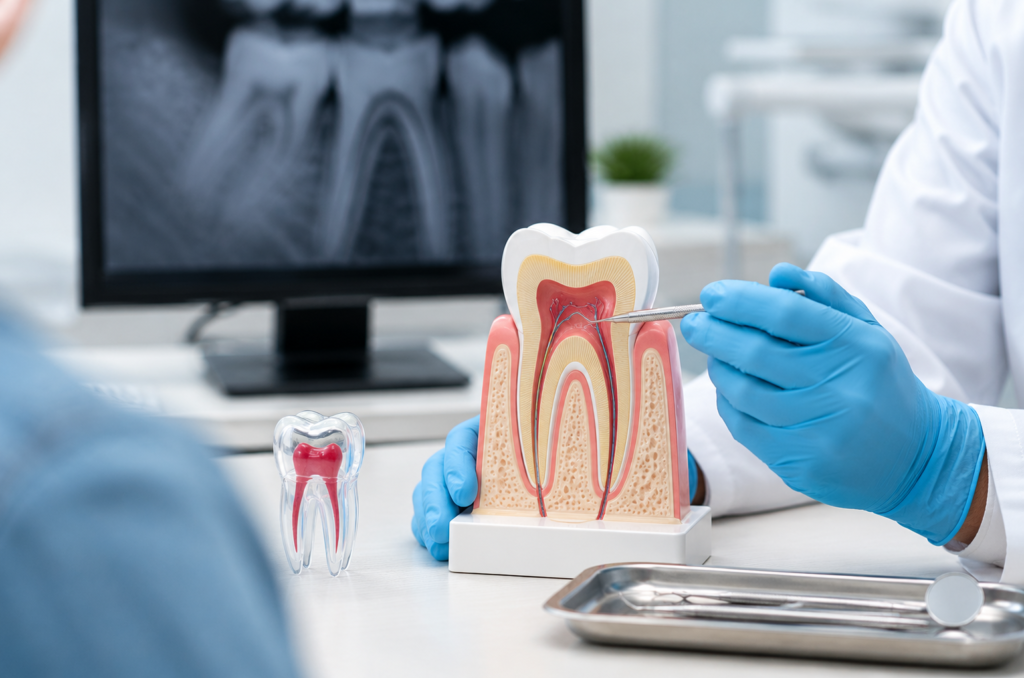
Hearing the words “root canal” can make many people feel nervous. For years, root canal treatment has been surrounded by myths and misconceptions that often make it seem far more intimidating than it actually is. In reality, modern root canal therapy is a safe, effective, and routine dental procedure designed to relieve pain and save a natural tooth. If your dentist has recommended a root canal, understanding the treatment process can help ease your concerns and prepare you for what lies ahead. In this guide, we’ll cover everything you need to know before getting a root canal, including why it’s needed, what to expect during the procedure, recovery tips, and the benefits of preserving your natural tooth. What Is a Root Canal? A root canal is a dental procedure used to treat infection or damage within the inner portion of a tooth, known as the pulp. The pulp contains nerves, blood vessels, and connective tissue that help a tooth develop. When the pulp becomes infected or inflamed due to deep decay, cracks, trauma, or repeated dental procedures, it can cause significant pain and put the tooth at risk. During root canal treatment, the infected pulp is carefully removed, the inside of the tooth is cleaned and disinfected, and the tooth is sealed to prevent future infection. The primary goal of a root canal is to save the natural tooth while eliminating pain and infection. Why Might You Need a Root Canal? Several dental conditions can lead to the need for root canal therapy. Common causes include: Deep tooth decay Cracked or fractured teeth Severe tooth injury Repeated dental procedures on the same tooth Advanced infection reaching the tooth pulp When bacteria enter the pulp chamber, infection can develop and spread if left untreated. In many cases, root canal treatment can prevent the need for tooth extraction. Common Signs You May Need a Root Canal While only a dental examination can determine whether a root canal is necessary, certain symptoms may indicate a problem within the tooth. Persistent Tooth Pain Ongoing tooth pain that doesn’t go away is one of the most common warning signs. The discomfort may be constant or occur when chewing and biting. Sensitivity to Hot and Cold If you experience lingering sensitivity after consuming hot or cold foods and beverages, it may indicate nerve damage within the tooth. Swollen Gums Swelling or tenderness near a tooth can be a sign of infection. Tooth Discoloration A tooth that becomes darker than surrounding teeth may indicate damage to the internal tissue. Pimples on the Gums Small pimple-like bumps on the gums can sometimes develop due to an underlying dental infection. If you experience any of these symptoms, it’s important to seek professional evaluation promptly. Is a Root Canal Painful? One of the biggest misconceptions about root canals is that they are painful. The truth is that modern root canal treatment is designed to relieve pain, not cause it. Local anesthesia is used to numb the area, ensuring patient comfort throughout the procedure. Most patients report that getting a root canal feels similar to receiving a dental filling. In many cases, the pain associated with an infected tooth is far greater than any discomfort experienced during treatment. What Happens During a Root Canal Procedure? Understanding the process can help reduce anxiety and make the experience feel more manageable. Step 1: Examination and Diagnosis Your dentist will examine the affected tooth and take X-rays to assess the extent of the infection. Step 2: Local Anesthesia The area around the tooth is numbed to ensure comfort throughout the procedure. Step 3: Accessing the Tooth A small opening is created in the crown of the tooth to access the infected pulp. Step 4: Removing the Infected Tissue Specialized instruments are used to carefully remove the infected or damaged pulp from inside the tooth. Step 5: Cleaning and Disinfection The root canals are thoroughly cleaned and disinfected to eliminate bacteria. Step 6: Filling the Canals The cleaned canals are filled with a biocompatible material that helps seal the space and prevent reinfection. Step 7: Restoration In many cases, a dental crown is recommended after a root canal to strengthen and protect the treated tooth. How Long Does a Root Canal Take? The length of treatment depends on several factors, including the location of the tooth and the severity of the infection. Some root canals can be completed in a single visit, while others may require multiple appointments. Molars often take longer because they contain more root canals than front teeth. Your dentist will explain the expected timeline based on your individual case. What Happens After a Root Canal? Most patients can return to their normal routine shortly after treatment. It’s normal to experience mild sensitivity or tenderness for a few days following the procedure. This discomfort is typically manageable with over-the-counter pain medication and gradually improves as the area heals. Your dentist may recommend: Avoiding hard foods temporarily Maintaining good oral hygiene Returning for placement of a crown if needed Attending follow-up appointments Following post-treatment instructions carefully can help ensure a smooth recovery. Why Saving Your Natural Tooth Matters When possible, preserving a natural tooth is usually the preferred option. Root canal treatment offers several important advantages: Maintains Natural Function Your natural tooth continues to function normally for chewing and speaking. Preserves Bite Alignment Saving a tooth helps prevent neighboring teeth from shifting into the empty space. Protects Jawbone Health Retaining a natural tooth helps maintain stimulation of the surrounding bone. Avoids More Extensive Procedures Replacing a missing tooth often requires additional treatments such as implants, bridges, or dentures. Root canal therapy allows many patients to keep their natural tooth for years to come. What Happens If You Delay Treatment? Delaying treatment can allow the infection to worsen and spread beyond the tooth. Potential consequences include: Increased pain Dental abscess formation Bone loss around the tooth Swelling and infection spread Eventual tooth loss The sooner an infected tooth is treated, the better the
How Orthodontic Treatment Can Improve Your Smile and Oral Health
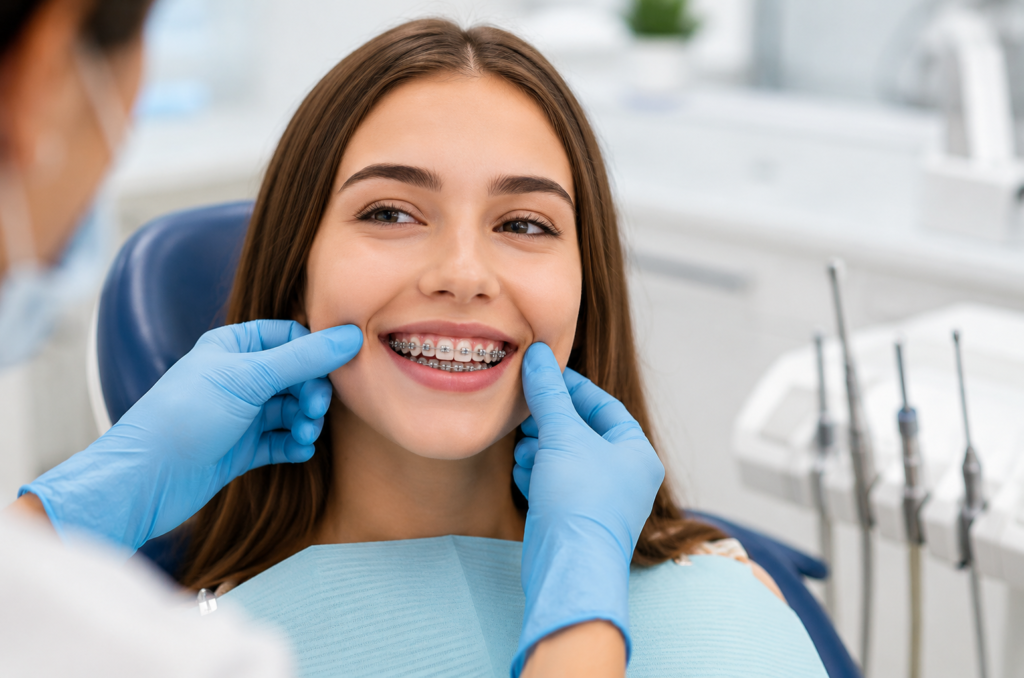
When people think about orthodontic treatment, they often focus on achieving a straighter smile. While having aligned teeth can certainly enhance your appearance and boost your confidence, the benefits of orthodontics go far beyond aesthetics. Properly aligned teeth and jaws play a significant role in maintaining good oral health, improving function, and preventing future dental issues. Whether you’re considering braces or clear aligners for yourself or your child, understanding the full advantages of orthodontic treatment can help you make an informed decision. In this guide, we’ll explore how orthodontics can improve both your smile and your overall oral health. What Is Orthodontic Treatment? Orthodontic treatment focuses on diagnosing, preventing, and correcting misaligned teeth and jaw irregularities. The goal is to create a balanced bite, improve the appearance of your smile, and support long-term dental health. Common orthodontic treatments include: Traditional metal braces Ceramic braces Clear aligners Retainers Other orthodontic appliances Orthodontics can address a wide variety of issues, including crowded teeth, gaps, overbites, underbites, crossbites, and open bites. Why Tooth Alignment Matters Teeth that are properly aligned do more than create a beautiful smile. They work together efficiently when chewing, speaking, and maintaining oral hygiene. When teeth are crooked, crowded, or improperly positioned, they can create challenges that affect your dental health over time. Misalignment may increase the risk of tooth decay, gum disease, jaw discomfort, and uneven tooth wear. Orthodontic treatment helps address these concerns by improving the positioning of both the teeth and the bite. Improved Oral Hygiene One of the biggest oral health benefits of orthodontic treatment is easier cleaning. When teeth overlap or are crowded together, it becomes more difficult to reach all surfaces with a toothbrush and floss. Food particles and plaque can become trapped in hard-to-reach areas, increasing the likelihood of: Cavities Gum disease Bad breath Plaque buildup Straightening the teeth creates better spacing and alignment, making daily oral hygiene more effective. Patients often find it easier to maintain healthy teeth and gums after orthodontic treatment. Reduced Risk of Tooth Decay and Gum Disease Poor alignment can create areas where plaque accumulates more easily. Over time, this buildup can contribute to tooth decay and inflammation of the gums. By improving tooth positioning, orthodontic treatment reduces the number of difficult-to-clean areas where bacteria can thrive. As a result, patients may experience a lower risk of developing oral health problems in the future. Healthy alignment supports healthier gums and stronger teeth throughout life. Better Bite Function Your bite refers to the way your upper and lower teeth come together when you close your mouth. When the bite is not properly aligned, it can cause a variety of issues, including: Difficulty chewing Uneven pressure on teeth Jaw discomfort Increased tooth wear Orthodontic treatment helps correct bite problems by improving the relationship between the upper and lower jaws. This allows the teeth to function more efficiently and comfortably during daily activities. Prevention of Excessive Tooth Wear Misaligned teeth often experience uneven contact when biting and chewing. Some teeth may absorb more force than others, leading to premature wear. Over time, excessive wear can result in: Chipped teeth Cracked teeth Tooth sensitivity Damage to dental restorations Orthodontic treatment helps distribute biting forces more evenly across the entire smile, reducing unnecessary stress on individual teeth. Improved Speech Many people don’t realize that tooth and jaw alignment can affect speech. Certain orthodontic problems may interfere with the proper placement of the tongue and lips during speech, potentially causing pronunciation difficulties. By correcting alignment issues, orthodontic treatment may improve speech clarity and make communication more comfortable and natural. Reduced Jaw Strain and Discomfort An improper bite can place additional stress on the jaw joints and surrounding muscles. This may contribute to symptoms such as: Jaw pain Clicking or popping sounds Headaches Facial discomfort Difficulty opening and closing the mouth Orthodontic treatment can help improve bite alignment, reducing unnecessary strain on the jaw and supporting better overall comfort. Enhanced Confidence and Self-Esteem While oral health benefits are important, the emotional impact of orthodontic treatment should not be overlooked. Many people feel self-conscious about crooked teeth or bite issues. They may avoid smiling in photos, speaking in public, or participating fully in social situations. A straighter smile often leads to increased confidence and self-esteem. Patients frequently report feeling more comfortable in personal, academic, and professional settings after completing orthodontic treatment. Orthodontic Treatment for Children and Teens Early orthodontic evaluations can help identify developing problems before they become more severe. Orthodontic treatment during childhood or adolescence may: Guide proper jaw development Create space for incoming teeth Correct bite issues early Reduce the need for more extensive treatment later Early intervention can often simplify treatment and improve long-term outcomes. Adults Can Benefit Too Orthodontics is no longer just for teenagers. Many adults are choosing orthodontic treatment to improve their smiles and oral health. Modern options such as clear aligners and discreet braces make treatment more appealing and convenient than ever before. Adult orthodontic treatment can address: Crowded teeth Gaps between teeth Bite problems Shifting teeth Long-standing alignment concerns It’s never too late to invest in a healthier smile. Common Orthodontic Problems Treatment Can Correct Orthodontic treatment is effective for a wide range of dental concerns. Crowded Teeth Crowding occurs when there is insufficient space for teeth to align properly. Gaps Between Teeth Excessive spacing can affect appearance and increase the risk of food becoming trapped between teeth. Overbite An overbite occurs when the upper teeth significantly overlap the lower teeth. Underbite An underbite happens when the lower teeth extend beyond the upper teeth. Crossbite A crossbite occurs when some upper teeth sit inside the lower teeth. Open Bite An open bite creates a gap between the upper and lower teeth when the mouth is closed. Correcting these issues can improve both oral health and smile aesthetics. What to Expect During Orthodontic Treatment Every patient’s treatment plan is unique, but the process generally follows a similar path. Initial Consultation Your orthodontic provider will evaluate your teeth,
Signs You May Need Dentures

Missing teeth can affect much more than just the appearance of your smile. Tooth loss may impact eating, speaking, confidence, and overall oral health. While modern dentistry offers several tooth replacement options, dentures remain one of the most common and effective solutions for restoring function and improving quality of life. Many people assume dentures are only for seniors or individuals with complete tooth loss, but dentures can benefit patients of different ages and varying dental needs. Recognizing the early signs that you may need dentures can help you seek treatment before oral health problems become more severe. Here are some common signs that may indicate it is time to consider dentures. Multiple Missing Teeth One of the clearest signs you may need dentures is having multiple missing teeth. Tooth loss can occur for several reasons, including gum disease, tooth decay, injury, or aging. When several teeth are missing, everyday activities such as chewing and speaking may become difficult. Gaps in the smile can also cause surrounding teeth to shift out of alignment over time, leading to bite problems and additional oral health concerns. Partial dentures may help replace several missing teeth while supporting the remaining natural teeth. For individuals missing all teeth in the upper or lower arch, complete dentures may restore both appearance and function. Difficulty Chewing Certain Foods If you are struggling to chew foods comfortably, it may be a sign that missing or damaged teeth are affecting your bite. Many people with tooth loss begin avoiding certain foods, especially hard, crunchy, or chewy items. Difficulty chewing can impact nutrition and make eating less enjoyable. Dentures can help restore the ability to chew more effectively, allowing patients to enjoy a wider variety of foods again. While adjusting to dentures may take time, modern denture designs are more comfortable and natural-looking than ever before. Frequent Tooth Pain or Severe Decay Persistent tooth pain or widespread tooth decay may sometimes indicate that several teeth can no longer be restored effectively. In some cases, removing severely damaged teeth and replacing them with dentures may be the healthiest long-term solution. Advanced decay can lead to infections, discomfort, and difficulty maintaining oral health. A dental examination can help determine whether restorative treatments or dentures are the most appropriate option. Early treatment is important to prevent further complications and protect overall oral health. Loose or Shifting Teeth Loose teeth are often associated with advanced gum disease, also known as periodontal disease. Gum disease weakens the tissues and bone supporting the teeth, which may eventually lead to tooth loss if left untreated. Patients experiencing loose teeth, gum recession, or shifting teeth should seek dental care promptly. In severe cases where multiple teeth are affected, dentures may help restore oral function and improve comfort. Addressing gum disease early may help preserve remaining teeth and improve the success of future dental treatments. Changes in Facial Appearance Tooth loss can gradually affect the shape and structure of the face. Teeth help support facial muscles and maintain jaw structure. When teeth are missing, the face may begin to appear sunken, sagging, or aged. Bone loss in the jaw is a common consequence of missing teeth over time. Dentures may help support facial appearance and restore fullness to the smile. Many patients notice improved confidence and facial balance after receiving properly fitted dentures. Difficulty Speaking Clearly Teeth play an important role in speech. Missing teeth can affect pronunciation and make certain words difficult to say clearly. Some individuals may develop speech changes, whistling sounds, or slurred pronunciation due to gaps in the teeth. Dentures can help restore proper tongue placement and improve speech clarity. Although there may be a short adjustment period, many patients adapt quickly and regain confidence in conversations. Ongoing Gum Problems Chronic gum inflammation, bleeding gums, or untreated gum disease can contribute to tooth loss and other oral health complications. If gum disease has significantly damaged the teeth and supporting structures, dentures may become part of a comprehensive treatment plan. Healthy gums are essential for comfortable and successful denture use, so managing gum health remains important even after tooth replacement. Routine dental visits and proper oral hygiene can help maintain healthy gums and improve long-term outcomes. Self-Consciousness About Your Smile Tooth loss can affect self-esteem and social confidence. Many people feel embarrassed about smiling, speaking, or eating in public after losing teeth. Dentures can help restore the appearance of a natural smile while improving confidence in daily life. Modern dentures are designed to look realistic and fit comfortably, helping patients feel more comfortable socially and professionally. Feeling confident in your smile can positively impact both emotional well-being and quality of life. Difficulty Maintaining Daily Oral Function As tooth loss progresses, simple daily activities may become more challenging. Eating, speaking, and even smiling comfortably can become difficult when several teeth are missing or damaged. Dentures may help restore normal function and improve comfort in everyday life. Whether replacing a few missing teeth or a full arch, dentures are designed to support better oral function and improve overall quality of life. Existing Dentures No Longer Fit Properly For patients who already wear dentures, changes in fit may indicate the need for adjustments or replacement. Over time, the shape of the gums and jawbone naturally changes, which can cause dentures to become loose or uncomfortable. Poorly fitting dentures may lead to irritation, sore spots, difficulty chewing, or slipping while speaking. Regular dental visits can help ensure dentures continue fitting properly and comfortably. Dentures typically require periodic adjustments or replacement to maintain their effectiveness and comfort. Benefits of Dentures Dentures offer several important benefits for patients experiencing tooth loss, including: Improved ability to chew and speak Restored smile appearance Better facial support Increased confidence Support for oral function Customized treatment options Today’s dentures are more advanced, natural-looking, and comfortable than many people expect. Denture solutions can often be customized to fit each patient’s needs and goals. Caring for Dentures Properly Proper denture care is important for maintaining oral health and
Wisdom Tooth Extraction: Everything You Need to Know
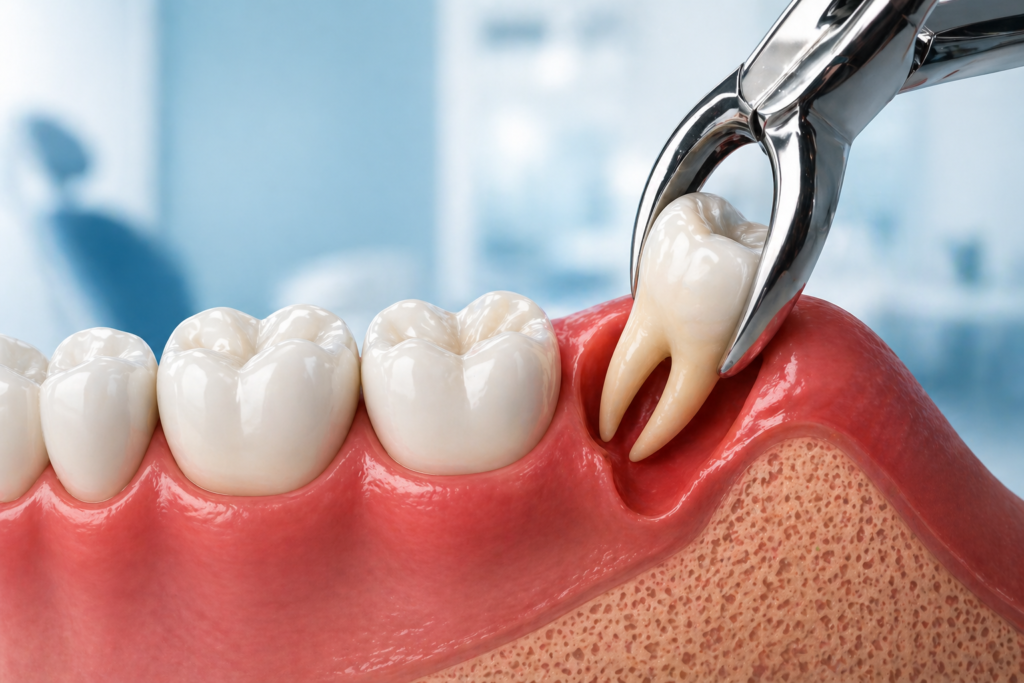
Wisdom tooth extraction is one of the most common dental procedures, yet many patients feel uncertain or anxious when they hear they may need it. If your dentist has recommended removing your wisdom teeth, understanding the reasons, process, and recovery can help you feel more confident and prepared. In this comprehensive guide, we’ll explain what wisdom teeth are, why they often need to be removed, and what you can expect before, during, and after the procedure. What Are Wisdom Teeth? Wisdom teeth are the third set of molars located at the back of your mouth. They typically emerge between the ages of 17 and 25. While some people have no issues with their wisdom teeth, many experience problems due to lack of space in the jaw. Because they are the last teeth to develop, wisdom teeth often don’t have enough room to grow properly, which can lead to complications. Why Do Wisdom Teeth Need to Be Removed? Not everyone needs wisdom tooth extraction, but it is recommended when these teeth cause or are likely to cause problems. Common Reasons for Extraction Impaction: Wisdom teeth become trapped under the gums or in the jawbone Crowding: They push against nearby teeth, causing misalignment Infection: Partially erupted teeth can trap bacteria, leading to infection Tooth Decay: Hard-to-reach areas make cleaning difficult Gum Disease: Increased risk of inflammation and periodontal issues Removing problematic wisdom teeth early can help prevent more serious dental complications. Signs You May Need Wisdom Tooth Extraction It’s important to recognize the symptoms that indicate your wisdom teeth may need attention: Pain or discomfort at the back of the mouth Swelling or redness in the gums Difficulty opening your mouth Jaw stiffness or pain Bad breath or unpleasant taste Headaches or earaches In some cases, wisdom teeth may not cause noticeable symptoms but can still lead to issues, which is why regular dental check-ups are essential. What Happens If You Don’t Remove Problematic Wisdom Teeth? Ignoring problematic wisdom teeth can lead to several complications: Damage to nearby teeth Cysts or tumors in rare cases Increased risk of infection Gum disease Bite and alignment issues Early removal is often recommended to avoid these risks and ensure better oral health. The Wisdom Tooth Extraction Procedure Understanding the procedure can help ease any anxiety you may have. 1. Consultation and X-Rays Your dentist will examine your mouth and take X-rays to determine the position of your wisdom teeth and plan the extraction. 2. Anesthesia Depending on the complexity of the case, local anesthesia, sedation, or general anesthesia may be used to ensure your comfort. 3. Tooth Removal If the tooth is impacted, a small incision is made in the gum. The tooth may be divided into smaller pieces for easier removal. 4. Cleaning and Stitching The area is cleaned, and stitches may be placed to promote healing. 5. Recovery Instructions You’ll receive detailed aftercare instructions to ensure a smooth recovery. The procedure typically takes less than an hour, depending on the number of teeth being removed. Does Wisdom Tooth Extraction Hurt? Thanks to modern dental techniques and anesthesia, the procedure itself is usually painless. You may feel some pressure during the extraction, but not pain. After the procedure, mild discomfort, swelling, and soreness are normal and can be managed with prescribed or over-the-counter pain medications. Recovery After Wisdom Tooth Extraction Recovery is an important part of the process. Most patients recover within a few days to a week. What to Expect Swelling and mild discomfort for 2–3 days Minor bleeding during the first 24 hours Gradual improvement in pain and swelling Recovery Tips Apply ice packs to reduce swelling Rest and avoid strenuous activities Eat soft foods like yogurt, soup, and mashed potatoes Avoid using straws to prevent dry socket Keep the extraction site clean as instructed Take medications as prescribed Following your dentist’s instructions will help ensure a faster and smoother recovery. What Is a Dry Socket? Dry socket is a common complication that can occur if the blood clot at the extraction site is dislodged. This can expose the underlying bone and cause pain. Symptoms of Dry Socket Severe pain a few days after extraction Bad breath or unpleasant taste Visible bone in the extraction site To reduce the risk, avoid smoking, drinking through straws, and disturbing the area during healing. Benefits of Wisdom Tooth Extraction Removing problematic wisdom teeth offers several benefits: Prevents future dental complications Reduces risk of infection and decay Protects adjacent teeth Improves oral hygiene Eliminates pain and discomfort Early intervention can save you from more complex treatments later on. When Is the Best Time to Remove Wisdom Teeth? Dentists often recommend removing wisdom teeth in the late teens or early twenties. At this age, the roots are not fully developed, and the bone is more flexible, making the procedure easier and recovery faster. However, wisdom teeth can be removed at any age if they are causing problems. How to Prevent Wisdom Tooth Problems While you can’t prevent wisdom teeth from developing, you can reduce complications by: Visiting your dentist regularly Maintaining good oral hygiene Monitoring any changes or discomfort Addressing issues early Routine dental exams allow your dentist to track the development of your wisdom teeth and recommend timely treatment. Final Thoughts Wisdom tooth extraction is a common and effective procedure that helps protect your oral health and prevent future complications. While the idea of extraction may seem intimidating, modern dentistry ensures a safe, comfortable, and efficient experience. If you’re experiencing pain or have been advised to remove your wisdom teeth, the team at Smiles on Tomken is here to provide expert care and guidance. Book your appointment today and take the first step toward a healthier, more comfortable smile.
Severe Tooth Pain? Signs You May Need a Root Canal
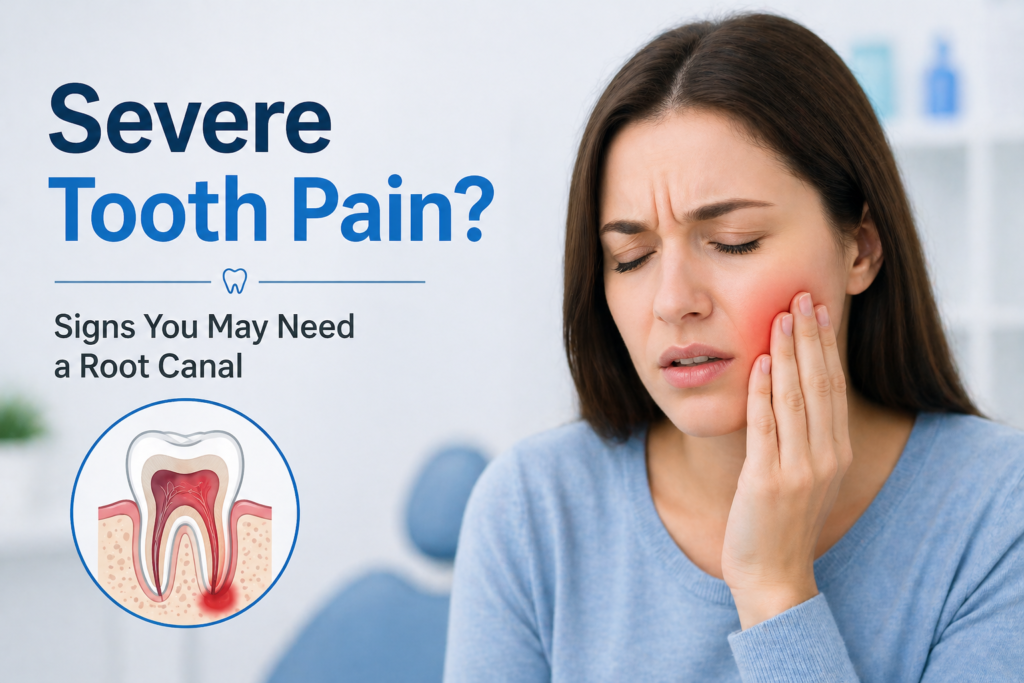
Tooth pain can be one of the most uncomfortable and alarming dental issues you experience. While mild sensitivity may not be a major concern, severe or persistent tooth pain often indicates a deeper problem that requires professional attention. One of the most common treatments for such conditions is a root canal. Understanding the signs early can help you take action, relieve pain, and save your natural tooth. In this blog, we’ll explore the causes of severe tooth pain, the warning signs that you may need a root canal, and why timely treatment is essential for maintaining your oral health. What Causes Severe Tooth Pain? Severe tooth pain usually occurs when the inner layer of the tooth, known as the pulp, becomes inflamed or infected. The pulp contains nerves and blood vessels, making it highly sensitive to damage. Some common causes include: Deep cavities that reach the inner layers of the tooth Cracks or chips that expose the pulp to bacteria Trauma or injury to the tooth Repeated dental procedures on the same tooth Advanced gum disease affecting the roots When bacteria enter the pulp, they can cause infection, leading to intense pain and swelling. What Is a Root Canal? A root canal is a dental procedure designed to remove infected or damaged pulp from inside the tooth. After removing the infection, the dentist cleans and disinfects the root canals, then seals the tooth to prevent further issues. This procedure not only relieves pain but also preserves your natural tooth, making it a preferred alternative to extraction. Key Signs You May Need a Root Canal Recognizing the symptoms early can help prevent complications and ensure timely treatment. 1. Persistent Tooth Pain Ongoing or throbbing tooth pain is one of the most common signs. The pain may worsen when lying down or radiate to your jaw and surrounding areas. 2. Sensitivity to Hot and Cold If you experience lingering sensitivity even after removing hot or cold stimuli, it may indicate nerve damage inside the tooth. 3. Pain When Chewing or Biting Discomfort when applying pressure to a tooth often suggests that the infection has reached deeper structures. 4. Swollen or Tender Gums Inflamed gums around a specific tooth can signal infection. You may also notice redness or tenderness in the area. 5. Pimple-Like Bump on the Gums A dental abscess may appear as a small bump on the gums, sometimes releasing pus. This is a clear sign that immediate treatment is needed. 6. Tooth Discoloration A darkened or greyish tooth may indicate internal damage or infection of the pulp. 7. Persistent Bad Breath Chronic bad breath or an unpleasant taste in your mouth can result from infection inside the tooth. What Happens If You Ignore the Symptoms? Ignoring severe tooth pain can lead to serious complications. The infection can spread beyond the tooth to surrounding tissues and even other parts of the body. Potential risks include: Abscess formation Bone loss around the tooth Facial swelling Tooth loss Increased risk of systemic infection Delaying treatment often results in more complex procedures and higher costs. The Root Canal Procedure: What to Expect Modern root canal treatment is safe, effective, and far more comfortable than many people expect. Examination and Diagnosis Your dentist will examine the affected tooth and take X-rays to determine the extent of the infection. Local Anesthesia The area is numbed to ensure a pain-free experience during the procedure. Removal of Infected Pulp A small opening is made to remove the infected tissue. Cleaning and Disinfection The root canals are thoroughly cleaned and disinfected. Filling and Sealing The canals are filled with a special material and sealed to prevent reinfection. Final Restoration A crown is typically placed to restore the tooth’s strength and functionality. Does a Root Canal Hurt? One of the biggest myths about root canals is that they are painful. In reality, the procedure is designed to relieve pain. With modern anesthesia and advanced techniques, most patients experience little to no discomfort during treatment. Recovery After a Root Canal After the procedure, mild sensitivity or discomfort is normal for a few days. This can be managed with over-the-counter pain relief. To ensure a smooth recovery: Avoid chewing on the treated tooth until fully restored Maintain good oral hygiene Follow your dentist’s instructions Attend follow-up appointments Most patients can return to normal activities the next day. Benefits of Root Canal Treatment Root canal therapy offers several important benefits: Eliminates pain and infection Saves your natural tooth Restores normal chewing and speaking ability Prevents the spread of infection Maintains your natural smile Preserving your natural tooth is always the best option whenever possible. Root Canal vs Tooth Extraction While extraction may seem like a quick fix, it often leads to additional dental issues such as shifting teeth and bone loss. Replacing a missing tooth can also require more time and expense. A root canal allows you to keep your natural tooth, making it a more conservative and beneficial solution. How to Prevent the Need for a Root Canal Preventive care plays a crucial role in avoiding serious dental problems. Brush your teeth twice daily Floss regularly Limit sugary foods and drinks Visit your dentist for routine check-ups Address dental issues early Maintaining good oral hygiene can significantly reduce your risk of infection. When Should You See a Dentist? If you are experiencing severe tooth pain or any of the symptoms mentioned above, it’s important to seek dental care as soon as possible. Even if the pain subsides, the underlying issue may still be present. Early diagnosis and treatment can help save your tooth and prevent complications. Final Thoughts Severe tooth pain should never be ignored. It is often a sign of an underlying issue that requires prompt attention. Recognizing the symptoms early and seeking timely care can help you avoid more serious complications and preserve your oral health. If you’re dealing with persistent tooth pain or suspect you may need a root canal, Smiles on Tomken is here to provide gentle,