
Invisalign in Mississauga: A Complete Guide to Straightening Your Smile

A confident smile can make a lasting impression, but many people feel unhappy with the appearance or alignment of their teeth. Crooked teeth, gaps, crowding, and bite concerns can affect both confidence and oral health. Fortunately, modern orthodontic treatments have made it easier than ever to achieve a straighter smile without relying on traditional metal braces. Invisalign clear aligners offer a discreet and comfortable option for people who want to improve their smile while maintaining their everyday lifestyle. Unlike traditional braces with brackets and wires, Invisalign uses a series of clear, removable aligners that gradually move teeth into their desired position. For patients looking for Invisalign in Mississauga, understanding how the treatment works, who it is suitable for, and what results to expect can help you make an informed decision. With the guidance of an experienced dental team, Invisalign can be a convenient way to achieve a healthier and more confident smile. What Is Invisalign and How Does It Work? Invisalign is a modern orthodontic treatment that uses custom-made clear aligners to gradually straighten teeth. Each aligner is designed specifically for your smile and applies gentle pressure to move your teeth into the correct position over time. The treatment begins with a consultation where your dentist evaluates your teeth, bite, and overall oral health. Using advanced technology, your dentist can create a personalized treatment plan based on your specific needs and smile goals. Instead of using fixed brackets and wires, Invisalign aligners are removable. This allows patients to eat their favourite foods, brush, and floss more easily throughout their treatment journey. Why Choose Invisalign Over Traditional Braces? A More Comfortable Orthodontic Experience One of the biggest advantages of Invisalign is the comfort it provides. Traditional braces can sometimes cause irritation because of metal brackets and wires. Invisalign aligners are made from smooth material designed to fit comfortably over your teeth. While patients may experience some pressure when switching to a new set of aligners, this is a normal part of the process. The pressure means the aligners are working to gradually move your teeth. For many people, Invisalign offers a more convenient orthodontic experience that fits naturally into their daily routine. Clear Aligners That Are Less Noticeable Many adults and teenagers hesitate to straighten their teeth because they do not want noticeable braces. Invisalign clear aligners provide a more discreet option because they are designed to blend naturally with your smile. This makes Invisalign a popular choice for professionals, students, and anyone who wants orthodontic treatment without drawing attention to their braces. You can continue attending work, school, meetings, and social events while working toward a straighter smile. Benefits of Invisalign Treatment in Mississauga Improved Smile Appearance The most noticeable benefit of Invisalign is the improvement in your smile. Clear aligners can help correct several common alignment concerns, including crowded teeth, spaces between teeth, and certain bite issues. A straighter smile can improve your confidence and help you feel more comfortable when speaking, laughing, and taking photos. Easier Oral Hygiene During Treatment Maintaining good oral hygiene is easier with Invisalign because the aligners can be removed when brushing and flossing. Unlike traditional braces, there are no brackets or wires that make cleaning around your teeth more difficult. Keeping your teeth clean during orthodontic treatment is important because healthy teeth and gums support better results. Your dentist can also provide guidance on proper care during your Invisalign journey. Fewer Lifestyle Restrictions With traditional braces, certain foods may need to be avoided because they can damage brackets or wires. Invisalign aligners are removable, allowing you to continue enjoying your regular diet. You simply remove your aligners while eating and place them back after brushing your teeth. This flexibility makes Invisalign a convenient option for many busy patients. Who Is a Good Candidate for Invisalign? Invisalign can be suitable for many teens and adults who want to improve their smile. However, the best way to determine if Invisalign is right for you is through a professional consultation. Invisalign may help patients with concerns such as: Crowded teeth Small gaps between teeth Mild to moderate bite problems Teeth that have shifted over time Uneven tooth alignment Your dentist will evaluate your specific situation and recommend the most appropriate treatment option for your needs. What to Expect During the Invisalign Process Initial Consultation and Smile Assessment Your Invisalign journey begins with a consultation. During this appointment, your dentist will examine your teeth and discuss your smile goals. This is your opportunity to ask questions about treatment time, expected results, and what Invisalign involves. A detailed assessment helps create a treatment plan designed specifically for your smile. Creating Your Custom Treatment Plan Every Invisalign treatment is personalized. Your dentist will plan the movement of your teeth and determine the series of aligners needed to achieve your desired results. Modern digital technology allows dental professionals to carefully plan your treatment and monitor your progress throughout the process. Wearing Your Invisalign Aligners To achieve the best results, Invisalign aligners must be worn as recommended by your dentist. Most patients wear their aligners for most of the day and remove them only for eating, drinking, brushing, and flossing. Consistency is an important part of successful Invisalign treatment. Following your dentist’s instructions helps keep your treatment on schedule. Progress Checkups Throughout your Invisalign treatment, you will have regular appointments to monitor your progress. These visits allow your dentist to make sure your teeth are moving correctly and that your oral health remains healthy. Regular checkups also give you an opportunity to ask questions and discuss any concerns. How Long Does Invisalign Treatment Take? The length of Invisalign treatment varies depending on each patient’s needs. Some people may complete treatment in a shorter period, while others with more complex alignment concerns may require additional time. Factors that affect treatment length include the level of tooth movement needed, how consistently aligners are worn, and your individual treatment plan. During your consultation, your dentist can provide a better estimate based on your
How Orthodontic Treatment Can Improve Your Smile and Oral Health
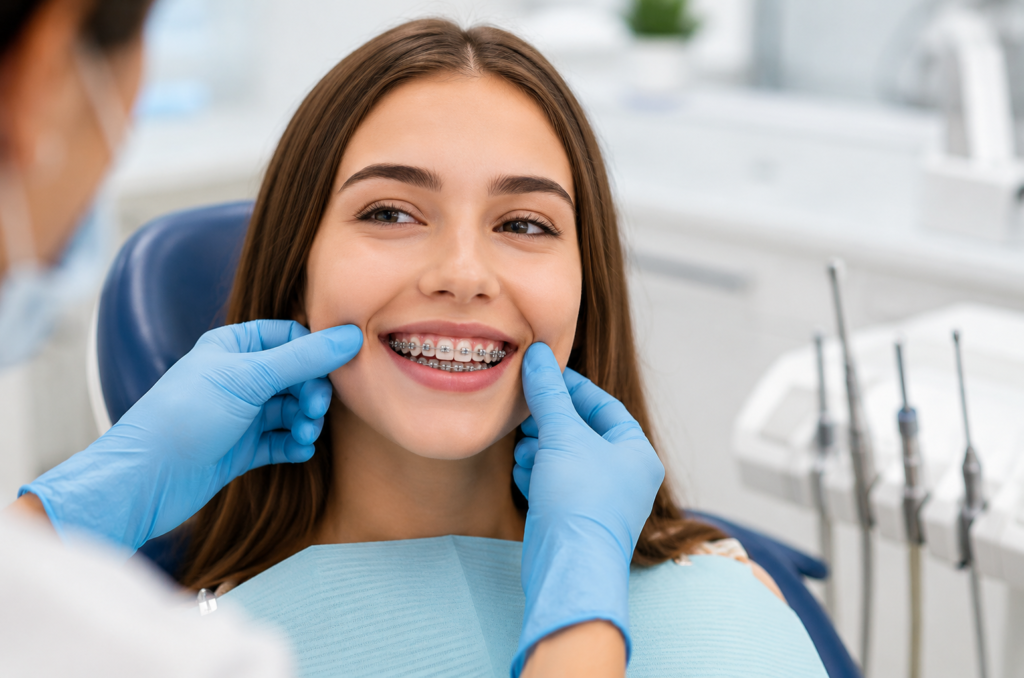
When people think about orthodontic treatment, they often focus on achieving a straighter smile. While having aligned teeth can certainly enhance your appearance and boost your confidence, the benefits of orthodontics go far beyond aesthetics. Properly aligned teeth and jaws play a significant role in maintaining good oral health, improving function, and preventing future dental issues. Whether you’re considering braces or clear aligners for yourself or your child, understanding the full advantages of orthodontic treatment can help you make an informed decision. In this guide, we’ll explore how orthodontics can improve both your smile and your overall oral health. What Is Orthodontic Treatment? Orthodontic treatment focuses on diagnosing, preventing, and correcting misaligned teeth and jaw irregularities. The goal is to create a balanced bite, improve the appearance of your smile, and support long-term dental health. Common orthodontic treatments include: Traditional metal braces Ceramic braces Clear aligners Retainers Other orthodontic appliances Orthodontics can address a wide variety of issues, including crowded teeth, gaps, overbites, underbites, crossbites, and open bites. Why Tooth Alignment Matters Teeth that are properly aligned do more than create a beautiful smile. They work together efficiently when chewing, speaking, and maintaining oral hygiene. When teeth are crooked, crowded, or improperly positioned, they can create challenges that affect your dental health over time. Misalignment may increase the risk of tooth decay, gum disease, jaw discomfort, and uneven tooth wear. Orthodontic treatment helps address these concerns by improving the positioning of both the teeth and the bite. Improved Oral Hygiene One of the biggest oral health benefits of orthodontic treatment is easier cleaning. When teeth overlap or are crowded together, it becomes more difficult to reach all surfaces with a toothbrush and floss. Food particles and plaque can become trapped in hard-to-reach areas, increasing the likelihood of: Cavities Gum disease Bad breath Plaque buildup Straightening the teeth creates better spacing and alignment, making daily oral hygiene more effective. Patients often find it easier to maintain healthy teeth and gums after orthodontic treatment. Reduced Risk of Tooth Decay and Gum Disease Poor alignment can create areas where plaque accumulates more easily. Over time, this buildup can contribute to tooth decay and inflammation of the gums. By improving tooth positioning, orthodontic treatment reduces the number of difficult-to-clean areas where bacteria can thrive. As a result, patients may experience a lower risk of developing oral health problems in the future. Healthy alignment supports healthier gums and stronger teeth throughout life. Better Bite Function Your bite refers to the way your upper and lower teeth come together when you close your mouth. When the bite is not properly aligned, it can cause a variety of issues, including: Difficulty chewing Uneven pressure on teeth Jaw discomfort Increased tooth wear Orthodontic treatment helps correct bite problems by improving the relationship between the upper and lower jaws. This allows the teeth to function more efficiently and comfortably during daily activities. Prevention of Excessive Tooth Wear Misaligned teeth often experience uneven contact when biting and chewing. Some teeth may absorb more force than others, leading to premature wear. Over time, excessive wear can result in: Chipped teeth Cracked teeth Tooth sensitivity Damage to dental restorations Orthodontic treatment helps distribute biting forces more evenly across the entire smile, reducing unnecessary stress on individual teeth. Improved Speech Many people don’t realize that tooth and jaw alignment can affect speech. Certain orthodontic problems may interfere with the proper placement of the tongue and lips during speech, potentially causing pronunciation difficulties. By correcting alignment issues, orthodontic treatment may improve speech clarity and make communication more comfortable and natural. Reduced Jaw Strain and Discomfort An improper bite can place additional stress on the jaw joints and surrounding muscles. This may contribute to symptoms such as: Jaw pain Clicking or popping sounds Headaches Facial discomfort Difficulty opening and closing the mouth Orthodontic treatment can help improve bite alignment, reducing unnecessary strain on the jaw and supporting better overall comfort. Enhanced Confidence and Self-Esteem While oral health benefits are important, the emotional impact of orthodontic treatment should not be overlooked. Many people feel self-conscious about crooked teeth or bite issues. They may avoid smiling in photos, speaking in public, or participating fully in social situations. A straighter smile often leads to increased confidence and self-esteem. Patients frequently report feeling more comfortable in personal, academic, and professional settings after completing orthodontic treatment. Orthodontic Treatment for Children and Teens Early orthodontic evaluations can help identify developing problems before they become more severe. Orthodontic treatment during childhood or adolescence may: Guide proper jaw development Create space for incoming teeth Correct bite issues early Reduce the need for more extensive treatment later Early intervention can often simplify treatment and improve long-term outcomes. Adults Can Benefit Too Orthodontics is no longer just for teenagers. Many adults are choosing orthodontic treatment to improve their smiles and oral health. Modern options such as clear aligners and discreet braces make treatment more appealing and convenient than ever before. Adult orthodontic treatment can address: Crowded teeth Gaps between teeth Bite problems Shifting teeth Long-standing alignment concerns It’s never too late to invest in a healthier smile. Common Orthodontic Problems Treatment Can Correct Orthodontic treatment is effective for a wide range of dental concerns. Crowded Teeth Crowding occurs when there is insufficient space for teeth to align properly. Gaps Between Teeth Excessive spacing can affect appearance and increase the risk of food becoming trapped between teeth. Overbite An overbite occurs when the upper teeth significantly overlap the lower teeth. Underbite An underbite happens when the lower teeth extend beyond the upper teeth. Crossbite A crossbite occurs when some upper teeth sit inside the lower teeth. Open Bite An open bite creates a gap between the upper and lower teeth when the mouth is closed. Correcting these issues can improve both oral health and smile aesthetics. What to Expect During Orthodontic Treatment Every patient’s treatment plan is unique, but the process generally follows a similar path. Initial Consultation Your orthodontic provider will evaluate your teeth,