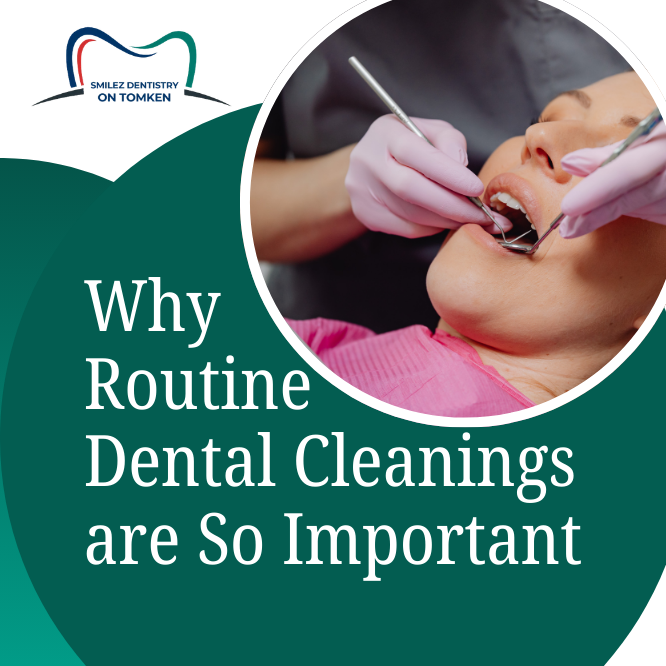
Why Routine Dental Cleanings Are So Important
A bright, healthy smile doesn’t happen by chance — it’s the result of consistent care, smart habits, and professional support. While brushing and flossing at home are essential daily practices, they are not enough on their own to fully protect your teeth and gums. Routine dental cleanings play a critical role in maintaining oral health, preventing disease, and supporting overall well-being. Many people underestimate the importance of professional cleanings and only visit the dentist when something feels wrong. However, preventive care is the foundation of long-term dental health. Understanding why routine dental cleanings are so important can help you make informed decisions about your oral care and avoid unnecessary problems in the future. What Is Routine Dental Cleaning? A routine dental cleaning, also known as professional teeth cleaning or prophylaxis, is performed by a dental hygienist or dentist. It involves the removal of plaque, tartar, and surface stains from your teeth, followed by polishing to smooth the enamel. Even with excellent brushing and flossing habits, plaque can accumulate in hard-to-reach areas of the mouth. Over time, this plaque hardens into tartar, which cannot be removed with a toothbrush. Professional cleanings are the only way to eliminate tartar and maintain optimal oral hygiene. Plaque and Tartar: The Hidden Threats Plaque is a sticky film of bacteria that constantly forms on teeth. When plaque isn’t removed properly, it hardens into tartar, creating an ideal environment for bacteria to thrive. The buildup of plaque and tartar can lead to: Tooth decay Gum inflammation Persistent bad breath Gum disease Tooth loss Routine dental cleanings remove these harmful deposits before they cause serious damage. Preventing Cavities Before They Start Cavities are one of the most common dental problems, and they often develop silently. Plaque bacteria produce acids that erode tooth enamel, eventually leading to decay. Professional cleanings help prevent cavities by: Removing plaque from enamel surfaces Cleaning between teeth where brushing may miss Strengthening teeth through fluoride treatments when needed By keeping teeth clean and strong, routine cleanings significantly reduce the risk of cavities and more invasive treatments. Protecting Gum Health Healthy gums are just as important as healthy teeth. Gum disease is a leading cause of tooth loss in adults and often begins without noticeable pain. Early-stage gum disease (gingivitis) can cause: Redness or swelling Bleeding when brushing or flossing Mild discomfort If untreated, it can progress into periodontitis, which damages the bone supporting your teeth. Routine cleanings remove bacteria from below the gumline and help prevent gum disease from developing or worsening. Fresh Breath and a Cleaner Mouth Chronic bad breath, also known as halitosis, is often caused by bacteria buildup in the mouth. Even if you brush regularly, bacteria can remain in pockets around the gums or between teeth. Routine dental cleanings: Remove odor-causing bacteria Improve gum health Leave your mouth feeling fresher and cleaner A professional cleaning can make a noticeable difference in your confidence and comfort. Early Detection of Dental Problems Dental cleanings are usually paired with routine exams, allowing dentists to identify problems early. Catching issues in their initial stages leads to simpler, less costly treatments. During regular visits, dentists can detect: Early cavities Gum disease Enamel wear Cracks or damage to teeth Problems with existing dental work Early intervention helps prevent pain, complications, and emergency dental visits. Maintaining Dental Restorations If you have fillings, crowns, bridges, implants, or dentures, routine cleanings are essential for maintaining their condition. Dental restorations can trap plaque around their edges, increasing the risk of decay or gum disease. Professional cleanings help: Protect restorations from damage Prevent infections around dental work Extend the lifespan of treatments Regular maintenance ensures your investment in dental care lasts longer. Supporting Overall Health Oral health is closely linked to overall health. Bacteria from gum disease can enter the bloodstream and contribute to systemic conditions. Research has shown connections between poor oral health and: Heart disease Diabetes Respiratory infections Pregnancy complications Routine dental cleanings reduce inflammation and bacteria, supporting not just your smile but your entire body. Benefits for Children and Teens Children benefit greatly from routine dental cleanings as their teeth and jaws are still developing. Regular visits help establish healthy habits early and prevent childhood cavities. Professional cleanings for children: Remove plaque buildup Strengthen enamel with fluoride Monitor tooth development Encourage positive dental experiences Early prevention helps children maintain healthy smiles into adulthood. How Often Should You Get a Dental Cleaning? For most people, dental cleanings are recommended every six months. However, some individuals may need more frequent visits, including those with: Gum disease A history of frequent cavities Diabetes Smoking habits Weakened immune systems Your dentist will recommend a schedule based on your individual oral health needs. Reducing Dental Anxiety Through Prevention Many people feel anxious about dental visits, often due to fear of pain or past experiences. Routine cleanings are typically quick, gentle, and comfortable. By attending regular cleanings: Dental visits become more familiar and less stressful Problems are addressed before they become painful More invasive procedures are often avoided Preventive care helps build trust and confidence over time. Advantages of Routine Cleanings Routine dental cleanings are one of the most cost-effective forms of healthcare. Preventive care costs significantly less than restorative or emergency treatments. By staying consistent with cleanings, you: Avoid expensive procedures Reduce emergency visits Save money in the long run Many dental insurance plans also cover routine cleanings, making them an affordable way to protect your health. Signs You May Be Overdue for a Cleaning If you notice any of the following, it may be time to schedule a dental cleaning: Bleeding gums Persistent bad breath Tartar buildup Tooth sensitivity Gum tenderness Even without symptoms, regular cleanings are essential to prevent hidden issues. Building Lifelong Oral Health Habits Routine dental cleanings work best when combined with good daily habits. Brushing twice a day, flossing regularly, eating a balanced diet, and avoiding tobacco all contribute to healthier teeth and gums. Consistency is key. When preventive care becomes part of your routine, maintaining
The Importance of Regular Dental Checkups for a Healthy Smile
A healthy smile is more than just an attractive feature — it’s a reflection of your overall well-being. While daily brushing and flossing are essential, they are only part of maintaining excellent oral health. Regular dental checkups play a crucial role in preventing problems, detecting issues early, and keeping your teeth and gums in optimal condition. Many people wait until they feel pain before visiting a dentist, but preventive care is the key to avoiding discomfort, costly treatments, and long-term complications. If you want strong teeth, healthy gums, and lasting confidence, routine dental visits should be a non-negotiable part of your healthcare routine. Why Regular Dental Checkups Matter Dental problems often develop silently. Cavities, gum disease, enamel erosion, and even oral infections may not cause noticeable symptoms in their early stages. By the time pain appears, the issue may already be advanced. Regular dental checkups help: Detect cavities before they worsen Identify early signs of gum disease Prevent plaque and tartar buildup Check for oral cancer or abnormalities Monitor existing dental work Maintain overall oral hygiene Early detection means simpler treatments, lower costs, and less discomfort. Prevention Is Better Than Cure One of the biggest advantages of routine checkups is prevention. Even with excellent at-home care, plaque can build up in hard-to-reach areas. Over time, plaque hardens into tartar, which cannot be removed with regular brushing. Professional cleanings during dental visits remove tartar and reduce the risk of: Tooth decay Gingivitis Periodontitis Bad breath Tooth loss Preventive dentistry saves time, money, and stress in the long run. Early Detection of Cavities and Tooth Decay Tooth decay doesn’t happen overnight. It starts as minor enamel damage and gradually progresses deeper into the tooth. Without regular checkups, small cavities can turn into infections requiring root canal treatment or extraction. During routine exams, dentists use diagnostic tools and X-rays to detect decay between teeth or under existing fillings — areas that are impossible to see with the naked eye. Catching cavities early allows for simple fillings instead of complex procedures. Protecting Your Gums Healthy gums are the foundation of a healthy smile. Gum disease is one of the leading causes of tooth loss in adults, and it often begins without obvious pain. Early-stage gum disease (gingivitis) may cause: Red or swollen gums Bleeding while brushing Mild tenderness If untreated, it can progress into periodontitis, leading to bone loss and tooth mobility. Regular dental visits ensure gum health is monitored and treated before it becomes severe. Professional Cleaning for Long-Term Health Even the most dedicated brushing routine cannot replace professional cleaning. Dental hygienists use specialized tools to remove tartar buildup and polish teeth for a smooth, clean finish. Benefits of professional cleaning include: Brighter smile Fresher breath Reduced risk of cavities Healthier gums Improved overall oral hygiene Clean teeth are not just about appearance — they protect your long-term dental health. Oral Cancer Screening Saves Lives Oral cancer can develop without noticeable symptoms in its early stages. Dentists are trained to identify suspicious lesions, lumps, or tissue changes during routine exams. Early detection significantly improves treatment outcomes. Regular checkups ensure that any unusual signs are investigated promptly, offering peace of mind and protection. Monitoring Existing Dental Work If you have fillings, crowns, bridges, dentures, or implants, routine visits are essential to ensure everything remains in good condition. Dental restorations can wear down, loosen, or develop issues over time. Regular checkups allow your dentist to: Examine restorations for damage Adjust or repair dental work Prevent infections beneath restorations Extend the lifespan of treatments Maintaining existing dental work helps avoid unnecessary replacements. Maintaining Children’s Oral Health Children especially benefit from routine dental visits. Their teeth and jaws are still developing, making early monitoring important. Regular pediatric checkups help: Prevent cavities Apply fluoride treatments Monitor tooth alignment Educate children on proper oral hygiene Establishing positive dental habits early builds confidence and lifelong healthy routines. The Link Between Oral Health and Overall Health Oral health is closely connected to overall health. Research shows links between gum disease and systemic conditions such as: Heart disease Diabetes Respiratory infections Pregnancy complications Inflammation and bacteria in the mouth can affect other parts of the body. Regular dental checkups reduce bacterial buildup and contribute to better general health. How Often Should You Visit the Dentist? Most people should schedule dental checkups every six months. However, some individuals may require more frequent visits, including those with: Gum disease Diabetes Smoking habits Frequent cavities Weakened immune systems Your dentist will recommend a schedule tailored to your needs. Reducing Dental Anxiety Through Routine Care Many patients feel anxious about dental visits, often due to past experiences or fear of pain. Ironically, avoiding checkups can lead to more serious issues that require complex treatments. Routine visits are usually quick, comfortable, and focused on prevention. When problems are detected early, treatments are simpler and less invasive, reducing stress and discomfort. Open communication with your dental team can also make appointments more relaxed and reassuring. Financial Benefits of Preventive Care Preventive dentistry is far more affordable than restorative or emergency procedures. A simple cleaning and exam cost significantly less than treatments like root canals, crowns, or implants. By attending regular checkups, you: Avoid costly emergencies Reduce need for complex procedures Protect your long-term investment in your smile Dental insurance plans also typically cover preventive visits, making them an accessible option for maintaining health. Signs You Should Not Ignore Even between regular checkups, contact your dentist if you notice: Persistent tooth pain Bleeding gums Loose teeth Swelling in the mouth Sensitivity to hot or cold Chronic bad breath These symptoms may indicate underlying issues that require immediate attention. Building a Lifetime of Healthy Smiles Consistency is key to oral health. Brushing twice daily, flossing regularly, maintaining a balanced diet, and scheduling routine dental visits create a strong foundation for a lifetime of healthy smiles. When you prioritize preventive care, you’re not just protecting your teeth — you’re investing in your confidence, comfort, and overall health. Final Thoughts Regular