
Everything You Need to Know Before Getting a Root Canal
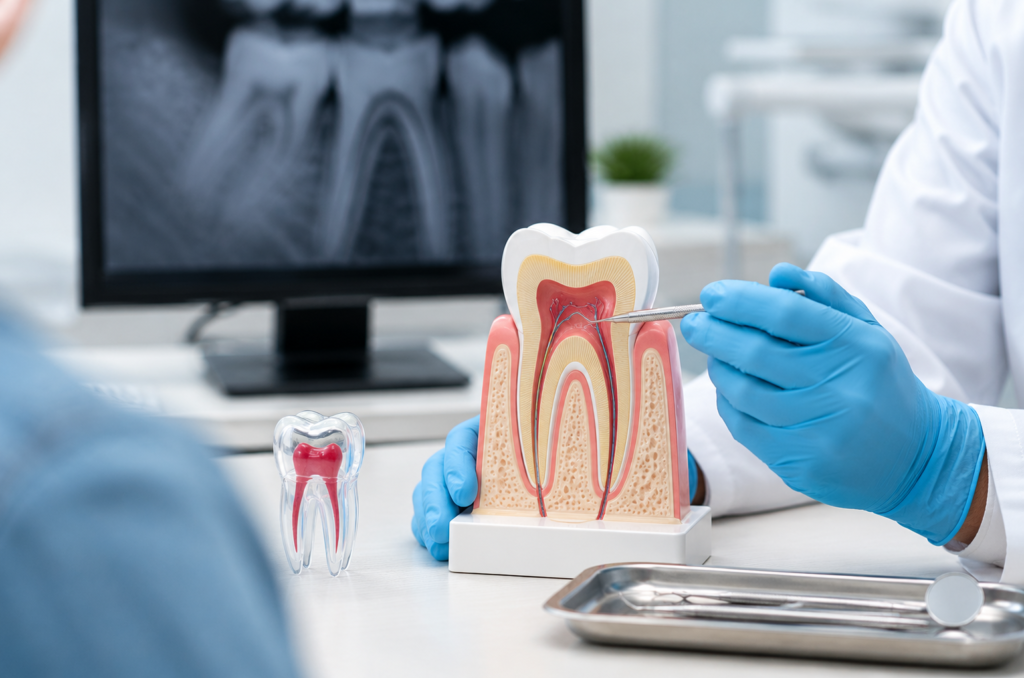
Hearing the words “root canal” can make many people feel nervous. For years, root canal treatment has been surrounded by myths and misconceptions that often make it seem far more intimidating than it actually is. In reality, modern root canal therapy is a safe, effective, and routine dental procedure designed to relieve pain and save a natural tooth. If your dentist has recommended a root canal, understanding the treatment process can help ease your concerns and prepare you for what lies ahead. In this guide, we’ll cover everything you need to know before getting a root canal, including why it’s needed, what to expect during the procedure, recovery tips, and the benefits of preserving your natural tooth. What Is a Root Canal? A root canal is a dental procedure used to treat infection or damage within the inner portion of a tooth, known as the pulp. The pulp contains nerves, blood vessels, and connective tissue that help a tooth develop. When the pulp becomes infected or inflamed due to deep decay, cracks, trauma, or repeated dental procedures, it can cause significant pain and put the tooth at risk. During root canal treatment, the infected pulp is carefully removed, the inside of the tooth is cleaned and disinfected, and the tooth is sealed to prevent future infection. The primary goal of a root canal is to save the natural tooth while eliminating pain and infection. Why Might You Need a Root Canal? Several dental conditions can lead to the need for root canal therapy. Common causes include: Deep tooth decay Cracked or fractured teeth Severe tooth injury Repeated dental procedures on the same tooth Advanced infection reaching the tooth pulp When bacteria enter the pulp chamber, infection can develop and spread if left untreated. In many cases, root canal treatment can prevent the need for tooth extraction. Common Signs You May Need a Root Canal While only a dental examination can determine whether a root canal is necessary, certain symptoms may indicate a problem within the tooth. Persistent Tooth Pain Ongoing tooth pain that doesn’t go away is one of the most common warning signs. The discomfort may be constant or occur when chewing and biting. Sensitivity to Hot and Cold If you experience lingering sensitivity after consuming hot or cold foods and beverages, it may indicate nerve damage within the tooth. Swollen Gums Swelling or tenderness near a tooth can be a sign of infection. Tooth Discoloration A tooth that becomes darker than surrounding teeth may indicate damage to the internal tissue. Pimples on the Gums Small pimple-like bumps on the gums can sometimes develop due to an underlying dental infection. If you experience any of these symptoms, it’s important to seek professional evaluation promptly. Is a Root Canal Painful? One of the biggest misconceptions about root canals is that they are painful. The truth is that modern root canal treatment is designed to relieve pain, not cause it. Local anesthesia is used to numb the area, ensuring patient comfort throughout the procedure. Most patients report that getting a root canal feels similar to receiving a dental filling. In many cases, the pain associated with an infected tooth is far greater than any discomfort experienced during treatment. What Happens During a Root Canal Procedure? Understanding the process can help reduce anxiety and make the experience feel more manageable. Step 1: Examination and Diagnosis Your dentist will examine the affected tooth and take X-rays to assess the extent of the infection. Step 2: Local Anesthesia The area around the tooth is numbed to ensure comfort throughout the procedure. Step 3: Accessing the Tooth A small opening is created in the crown of the tooth to access the infected pulp. Step 4: Removing the Infected Tissue Specialized instruments are used to carefully remove the infected or damaged pulp from inside the tooth. Step 5: Cleaning and Disinfection The root canals are thoroughly cleaned and disinfected to eliminate bacteria. Step 6: Filling the Canals The cleaned canals are filled with a biocompatible material that helps seal the space and prevent reinfection. Step 7: Restoration In many cases, a dental crown is recommended after a root canal to strengthen and protect the treated tooth. How Long Does a Root Canal Take? The length of treatment depends on several factors, including the location of the tooth and the severity of the infection. Some root canals can be completed in a single visit, while others may require multiple appointments. Molars often take longer because they contain more root canals than front teeth. Your dentist will explain the expected timeline based on your individual case. What Happens After a Root Canal? Most patients can return to their normal routine shortly after treatment. It’s normal to experience mild sensitivity or tenderness for a few days following the procedure. This discomfort is typically manageable with over-the-counter pain medication and gradually improves as the area heals. Your dentist may recommend: Avoiding hard foods temporarily Maintaining good oral hygiene Returning for placement of a crown if needed Attending follow-up appointments Following post-treatment instructions carefully can help ensure a smooth recovery. Why Saving Your Natural Tooth Matters When possible, preserving a natural tooth is usually the preferred option. Root canal treatment offers several important advantages: Maintains Natural Function Your natural tooth continues to function normally for chewing and speaking. Preserves Bite Alignment Saving a tooth helps prevent neighboring teeth from shifting into the empty space. Protects Jawbone Health Retaining a natural tooth helps maintain stimulation of the surrounding bone. Avoids More Extensive Procedures Replacing a missing tooth often requires additional treatments such as implants, bridges, or dentures. Root canal therapy allows many patients to keep their natural tooth for years to come. What Happens If You Delay Treatment? Delaying treatment can allow the infection to worsen and spread beyond the tooth. Potential consequences include: Increased pain Dental abscess formation Bone loss around the tooth Swelling and infection spread Eventual tooth loss The sooner an infected tooth is treated, the better the
Signs You May Need Dentures

Missing teeth can affect much more than just the appearance of your smile. Tooth loss may impact eating, speaking, confidence, and overall oral health. While modern dentistry offers several tooth replacement options, dentures remain one of the most common and effective solutions for restoring function and improving quality of life. Many people assume dentures are only for seniors or individuals with complete tooth loss, but dentures can benefit patients of different ages and varying dental needs. Recognizing the early signs that you may need dentures can help you seek treatment before oral health problems become more severe. Here are some common signs that may indicate it is time to consider dentures. Multiple Missing Teeth One of the clearest signs you may need dentures is having multiple missing teeth. Tooth loss can occur for several reasons, including gum disease, tooth decay, injury, or aging. When several teeth are missing, everyday activities such as chewing and speaking may become difficult. Gaps in the smile can also cause surrounding teeth to shift out of alignment over time, leading to bite problems and additional oral health concerns. Partial dentures may help replace several missing teeth while supporting the remaining natural teeth. For individuals missing all teeth in the upper or lower arch, complete dentures may restore both appearance and function. Difficulty Chewing Certain Foods If you are struggling to chew foods comfortably, it may be a sign that missing or damaged teeth are affecting your bite. Many people with tooth loss begin avoiding certain foods, especially hard, crunchy, or chewy items. Difficulty chewing can impact nutrition and make eating less enjoyable. Dentures can help restore the ability to chew more effectively, allowing patients to enjoy a wider variety of foods again. While adjusting to dentures may take time, modern denture designs are more comfortable and natural-looking than ever before. Frequent Tooth Pain or Severe Decay Persistent tooth pain or widespread tooth decay may sometimes indicate that several teeth can no longer be restored effectively. In some cases, removing severely damaged teeth and replacing them with dentures may be the healthiest long-term solution. Advanced decay can lead to infections, discomfort, and difficulty maintaining oral health. A dental examination can help determine whether restorative treatments or dentures are the most appropriate option. Early treatment is important to prevent further complications and protect overall oral health. Loose or Shifting Teeth Loose teeth are often associated with advanced gum disease, also known as periodontal disease. Gum disease weakens the tissues and bone supporting the teeth, which may eventually lead to tooth loss if left untreated. Patients experiencing loose teeth, gum recession, or shifting teeth should seek dental care promptly. In severe cases where multiple teeth are affected, dentures may help restore oral function and improve comfort. Addressing gum disease early may help preserve remaining teeth and improve the success of future dental treatments. Changes in Facial Appearance Tooth loss can gradually affect the shape and structure of the face. Teeth help support facial muscles and maintain jaw structure. When teeth are missing, the face may begin to appear sunken, sagging, or aged. Bone loss in the jaw is a common consequence of missing teeth over time. Dentures may help support facial appearance and restore fullness to the smile. Many patients notice improved confidence and facial balance after receiving properly fitted dentures. Difficulty Speaking Clearly Teeth play an important role in speech. Missing teeth can affect pronunciation and make certain words difficult to say clearly. Some individuals may develop speech changes, whistling sounds, or slurred pronunciation due to gaps in the teeth. Dentures can help restore proper tongue placement and improve speech clarity. Although there may be a short adjustment period, many patients adapt quickly and regain confidence in conversations. Ongoing Gum Problems Chronic gum inflammation, bleeding gums, or untreated gum disease can contribute to tooth loss and other oral health complications. If gum disease has significantly damaged the teeth and supporting structures, dentures may become part of a comprehensive treatment plan. Healthy gums are essential for comfortable and successful denture use, so managing gum health remains important even after tooth replacement. Routine dental visits and proper oral hygiene can help maintain healthy gums and improve long-term outcomes. Self-Consciousness About Your Smile Tooth loss can affect self-esteem and social confidence. Many people feel embarrassed about smiling, speaking, or eating in public after losing teeth. Dentures can help restore the appearance of a natural smile while improving confidence in daily life. Modern dentures are designed to look realistic and fit comfortably, helping patients feel more comfortable socially and professionally. Feeling confident in your smile can positively impact both emotional well-being and quality of life. Difficulty Maintaining Daily Oral Function As tooth loss progresses, simple daily activities may become more challenging. Eating, speaking, and even smiling comfortably can become difficult when several teeth are missing or damaged. Dentures may help restore normal function and improve comfort in everyday life. Whether replacing a few missing teeth or a full arch, dentures are designed to support better oral function and improve overall quality of life. Existing Dentures No Longer Fit Properly For patients who already wear dentures, changes in fit may indicate the need for adjustments or replacement. Over time, the shape of the gums and jawbone naturally changes, which can cause dentures to become loose or uncomfortable. Poorly fitting dentures may lead to irritation, sore spots, difficulty chewing, or slipping while speaking. Regular dental visits can help ensure dentures continue fitting properly and comfortably. Dentures typically require periodic adjustments or replacement to maintain their effectiveness and comfort. Benefits of Dentures Dentures offer several important benefits for patients experiencing tooth loss, including: Improved ability to chew and speak Restored smile appearance Better facial support Increased confidence Support for oral function Customized treatment options Today’s dentures are more advanced, natural-looking, and comfortable than many people expect. Denture solutions can often be customized to fit each patient’s needs and goals. Caring for Dentures Properly Proper denture care is important for maintaining oral health and
Severe Tooth Pain? Signs You May Need a Root Canal
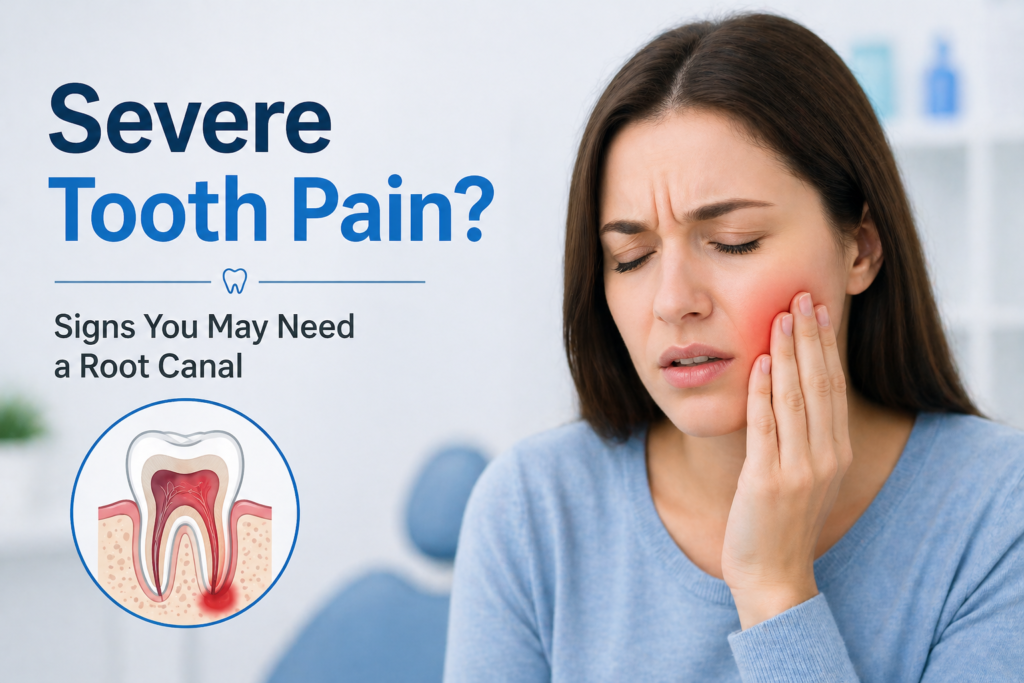
Tooth pain can be one of the most uncomfortable and alarming dental issues you experience. While mild sensitivity may not be a major concern, severe or persistent tooth pain often indicates a deeper problem that requires professional attention. One of the most common treatments for such conditions is a root canal. Understanding the signs early can help you take action, relieve pain, and save your natural tooth. In this blog, we’ll explore the causes of severe tooth pain, the warning signs that you may need a root canal, and why timely treatment is essential for maintaining your oral health. What Causes Severe Tooth Pain? Severe tooth pain usually occurs when the inner layer of the tooth, known as the pulp, becomes inflamed or infected. The pulp contains nerves and blood vessels, making it highly sensitive to damage. Some common causes include: Deep cavities that reach the inner layers of the tooth Cracks or chips that expose the pulp to bacteria Trauma or injury to the tooth Repeated dental procedures on the same tooth Advanced gum disease affecting the roots When bacteria enter the pulp, they can cause infection, leading to intense pain and swelling. What Is a Root Canal? A root canal is a dental procedure designed to remove infected or damaged pulp from inside the tooth. After removing the infection, the dentist cleans and disinfects the root canals, then seals the tooth to prevent further issues. This procedure not only relieves pain but also preserves your natural tooth, making it a preferred alternative to extraction. Key Signs You May Need a Root Canal Recognizing the symptoms early can help prevent complications and ensure timely treatment. 1. Persistent Tooth Pain Ongoing or throbbing tooth pain is one of the most common signs. The pain may worsen when lying down or radiate to your jaw and surrounding areas. 2. Sensitivity to Hot and Cold If you experience lingering sensitivity even after removing hot or cold stimuli, it may indicate nerve damage inside the tooth. 3. Pain When Chewing or Biting Discomfort when applying pressure to a tooth often suggests that the infection has reached deeper structures. 4. Swollen or Tender Gums Inflamed gums around a specific tooth can signal infection. You may also notice redness or tenderness in the area. 5. Pimple-Like Bump on the Gums A dental abscess may appear as a small bump on the gums, sometimes releasing pus. This is a clear sign that immediate treatment is needed. 6. Tooth Discoloration A darkened or greyish tooth may indicate internal damage or infection of the pulp. 7. Persistent Bad Breath Chronic bad breath or an unpleasant taste in your mouth can result from infection inside the tooth. What Happens If You Ignore the Symptoms? Ignoring severe tooth pain can lead to serious complications. The infection can spread beyond the tooth to surrounding tissues and even other parts of the body. Potential risks include: Abscess formation Bone loss around the tooth Facial swelling Tooth loss Increased risk of systemic infection Delaying treatment often results in more complex procedures and higher costs. The Root Canal Procedure: What to Expect Modern root canal treatment is safe, effective, and far more comfortable than many people expect. Examination and Diagnosis Your dentist will examine the affected tooth and take X-rays to determine the extent of the infection. Local Anesthesia The area is numbed to ensure a pain-free experience during the procedure. Removal of Infected Pulp A small opening is made to remove the infected tissue. Cleaning and Disinfection The root canals are thoroughly cleaned and disinfected. Filling and Sealing The canals are filled with a special material and sealed to prevent reinfection. Final Restoration A crown is typically placed to restore the tooth’s strength and functionality. Does a Root Canal Hurt? One of the biggest myths about root canals is that they are painful. In reality, the procedure is designed to relieve pain. With modern anesthesia and advanced techniques, most patients experience little to no discomfort during treatment. Recovery After a Root Canal After the procedure, mild sensitivity or discomfort is normal for a few days. This can be managed with over-the-counter pain relief. To ensure a smooth recovery: Avoid chewing on the treated tooth until fully restored Maintain good oral hygiene Follow your dentist’s instructions Attend follow-up appointments Most patients can return to normal activities the next day. Benefits of Root Canal Treatment Root canal therapy offers several important benefits: Eliminates pain and infection Saves your natural tooth Restores normal chewing and speaking ability Prevents the spread of infection Maintains your natural smile Preserving your natural tooth is always the best option whenever possible. Root Canal vs Tooth Extraction While extraction may seem like a quick fix, it often leads to additional dental issues such as shifting teeth and bone loss. Replacing a missing tooth can also require more time and expense. A root canal allows you to keep your natural tooth, making it a more conservative and beneficial solution. How to Prevent the Need for a Root Canal Preventive care plays a crucial role in avoiding serious dental problems. Brush your teeth twice daily Floss regularly Limit sugary foods and drinks Visit your dentist for routine check-ups Address dental issues early Maintaining good oral hygiene can significantly reduce your risk of infection. When Should You See a Dentist? If you are experiencing severe tooth pain or any of the symptoms mentioned above, it’s important to seek dental care as soon as possible. Even if the pain subsides, the underlying issue may still be present. Early diagnosis and treatment can help save your tooth and prevent complications. Final Thoughts Severe tooth pain should never be ignored. It is often a sign of an underlying issue that requires prompt attention. Recognizing the symptoms early and seeking timely care can help you avoid more serious complications and preserve your oral health. If you’re dealing with persistent tooth pain or suspect you may need a root canal, Smiles on Tomken is here to provide gentle,
Dental Implants vs Dentures: Pros, Cons & Cost Differences
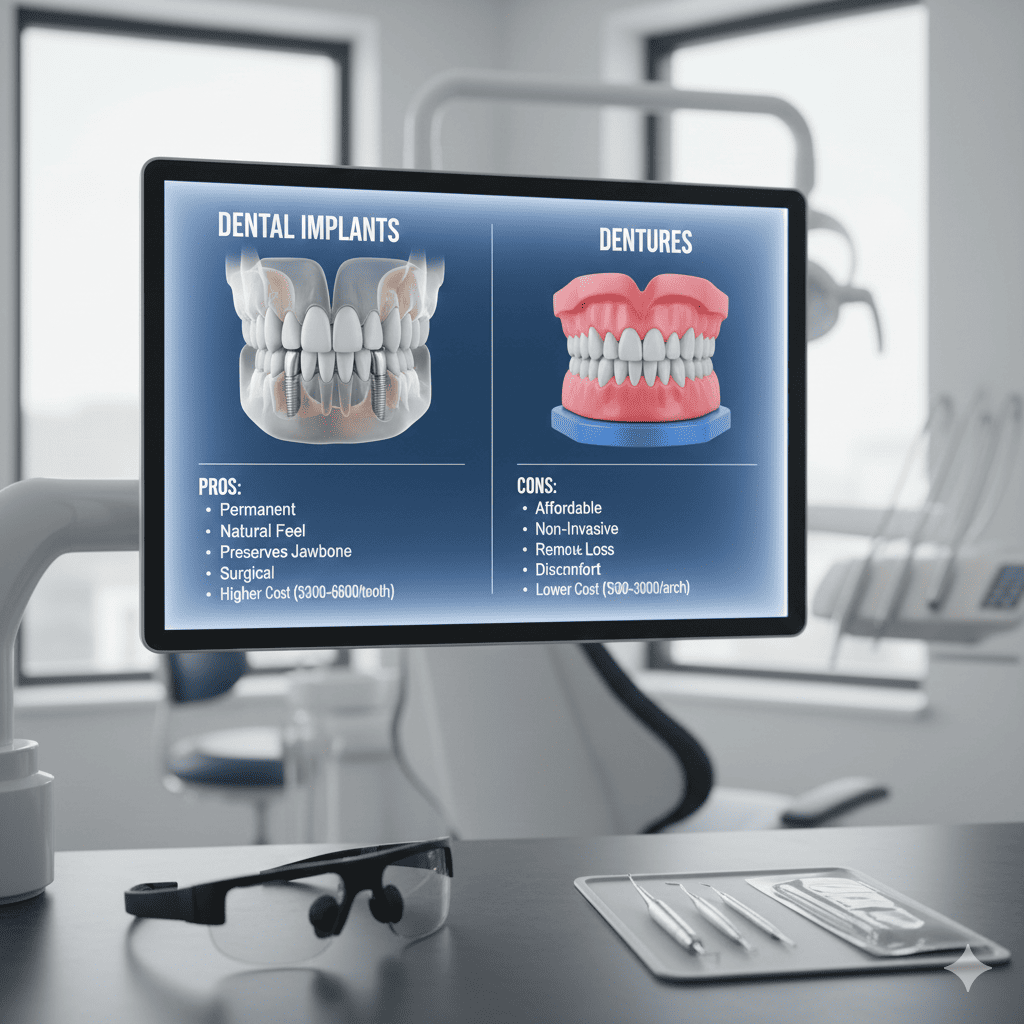
Tooth loss can impact your confidence, your ability to eat comfortably, and the overall health of your mouth. Thankfully, modern dentistry offers effective solutions to replace missing teeth, with dental implants and dentures being the two most common choices. At Smiles On Tomken, patients often ask which option is better for their needs—and the truth is, the right choice depends on your oral health, lifestyle, and long-term goals. If you’re trying to decide between dental implants and dentures, understanding the pros, cons, and cost differences can help you make an informed decision. What Are Dental Implants? Dental implants are permanent replacements for missing teeth. They consist of a titanium post surgically placed into the jawbone, an abutment, and a custom-made crown. Over time, the implant fuses with your jawbone through osseointegration, creating a stable foundation that looks and feels like a natural tooth. Implants are considered the most advanced and durable option available today. What Are Dentures? Dentures are removable prosthetic appliances designed to replace missing teeth. They come in two main types: Full dentures, which replace all teeth in the upper or lower arch Partial dentures, which replace several missing teeth while leaving natural teeth in place Dentures rest on the gums and are custom-made to fit your mouth. They offer an affordable and non-surgical solution for tooth loss. Pros of Dental Implants Long-Lasting & DurableImplants can last decades—and often a lifetime—with proper care. Unlike dentures, they don’t need to be removed or replaced frequently. Natural Look and FeelImplants mimic natural teeth in appearance and function. You can eat, speak, and smile confidently without worrying about slipping or clicking. Preserves Jawbone HealthImplants stimulate the jawbone the same way natural tooth roots do. This prevents bone loss, facial sagging, and future shifting of teeth. Easy MaintenanceYou can brush and floss implants like natural teeth—no special cleaning routines or adhesives needed. Cons of Dental Implants Higher Upfront CostImplants tend to be more expensive initially than dentures, though they may be more cost-effective over time. Requires SurgerySome patients may not qualify for implants due to insufficient bone density or certain medical conditions. Additional procedures like bone grafts may be required. Longer Treatment TimelineImplants can take several months from placement to final restoration, depending on healing time. Pros of Dentures Most Affordable Option Dentures have a significantly lower upfront cost, making them accessible for many patients. Non-Surgical Solution No surgery is needed, which is ideal for patients who prefer a quick, non-invasive option. Quick Results Dentures can often be made and fitted within weeks, providing a fast and functional smile solution. Suitable for Multiple Missing Teeth Dentures are a simple and effective option if you’re missing several or all teeth. Cons of Dentures Potential for Slipping Dentures may move when eating or speaking, especially as the jawbone changes over time. Jawbone Shrinkage Because dentures do not stimulate the jawbone, bone loss can occur over the years, eventually affecting fit and facial structure. Requires Regular Adjustments Dentures may need to be relined, adjusted, or replaced every few years. Extra Daily Care Dentures must be removed and cleaned daily and should be soaked overnight. Cost Differences: Implants vs. Dentures Dental Implants The cost of a single dental implant can vary depending on the complexity of the case, but generally includes: The implant post The abutment The crown Any bone grafts or additional procedures While implants cost more upfront, they often require fewer long-term replacements and provide a long-lasting solution. Dentures Dentures typically have a lower initial cost. This includes: Full or partial denture appliance Fittings and adjustments However, because dentures need to be replaced every 5–8 years and often require ongoing adjustments, long-term costs may be higher than expected. Which Option Is Right for You? The best tooth replacement option depends on your needs, oral health, and budget. Choose dental implants if you want: A permanent solution Maximum comfort and stability Long-term cost efficiency The most natural feel and appearance Choose dentures if you want: A budget-friendly solution A non-surgical treatment Faster results Replacement for multiple missing teeth At Smiles On Tomken, our team will evaluate your teeth, gums, and bone structure to help determine the best choice for your long-term oral health. Restore Your Smile with Smiles On Tomken Whether you’re considering implants, dentures, or exploring both options, we’re here to guide you through every step of your smile restoration journey. Book a consultation today at Smiles On Tomken and discover the tooth replacement option that’s right for you.
The Different Types of Dental Bridges: Fixed, Cantilever, and Maryland Explained
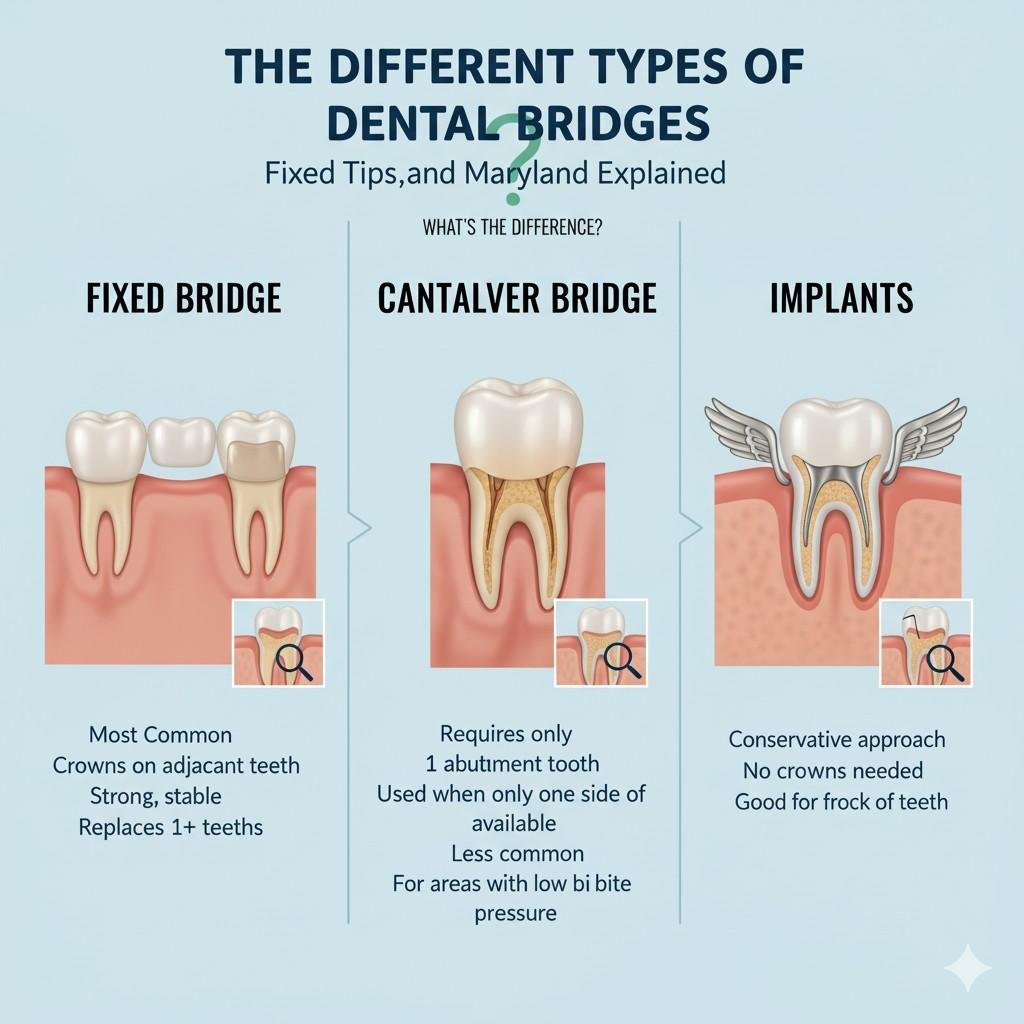
Missing teeth can affect more than just your smile—they can also impact how you speak, chew, and even how your jaw functions over time. Fortunately, modern dentistry offers effective solutions to restore both your confidence and oral health. One of the most reliable and time-tested options is a dental bridge, a prosthetic device that fills the gap left by missing teeth. At Smiles On Tomken, we know that choosing the right dental bridge can make a significant difference in comfort, aesthetics, and longevity. Understanding the different types—fixed, cantilever, and Maryland bridges—can help you make an informed decision about which one best suits your needs. What Is a Dental Bridge? A dental bridge literally “bridges” the gap between two teeth. It consists of one or more artificial teeth (called pontics) supported by natural teeth or implants on either side of the gap. The supporting teeth, known as abutment teeth, are often covered with crowns that hold the bridge securely in place. Dental bridges not only restore your smile but also: Improve chewing and speaking ability Prevent surrounding teeth from shifting out of alignment Maintain the shape of your face Restore bite balance and oral function There are several types of dental bridges available, each with unique advantages. Let’s take a closer look at the three most common options. 1. Fixed Dental Bridge A fixed bridge, also known as a traditional bridge, is the most common and widely used type. It consists of one or more pontics anchored by crowns on the abutment teeth on both sides of the missing tooth or teeth. How it works: Your dentist prepares the adjacent teeth by reshaping them to fit crowns. The custom bridge—crafted to match your natural teeth—is then cemented permanently in place, creating a strong and seamless restoration. Advantages: Provides excellent stability and strength Offers a natural look and feel Long-lasting with proper care (typically 10–15 years or more) Suitable for replacing one or more missing teeth in a row Considerations: Requires removal of some enamel from the supporting teeth to place crowns Relies on the strength and health of surrounding teeth A fixed dental bridge is ideal for patients with healthy adjacent teeth and those looking for a durable, natural-looking solution. 2. Cantilever Dental Bridge A cantilever bridge is similar to a fixed bridge, but it’s supported by a crown on only one adjacent tooth rather than two. This type of bridge is used when there is only one natural tooth next to the gap—typically at the back of the mouth. How it works: The pontic is attached to a crown placed on the supporting tooth, extending over the space where the missing tooth was. Advantages: Requires less preparation than a traditional bridge A good option when only one side of the missing tooth has a healthy adjacent tooth Considerations: Not as strong as a traditional bridge due to one-sided support May place extra stress on the abutment tooth Generally recommended for low-pressure areas, such as front teeth, rather than molars A cantilever bridge can be an excellent choice for patients missing a single tooth with only one suitable adjacent tooth for support. 3. Maryland Dental Bridge A Maryland bridge, also known as a resin-bonded bridge, offers a more conservative alternative to the traditional bridge. Instead of using crowns, it uses a metal or porcelain framework with wings that are bonded to the back surfaces of the adjacent teeth. How it works: The artificial tooth (pontic) is attached to the framework, which is then bonded using dental resin. This method requires minimal alteration to the surrounding teeth, preserving most of the natural enamel. Advantages: Minimally invasive—little to no enamel removal More affordable than traditional bridges A good option for replacing front teeth, where chewing pressure is lighter Considerations: Not as strong as a fixed bridge; may loosen over time The metal framework can sometimes cause slight discoloration of the supporting teeth Best suited for patients with healthy, strong adjacent teeth and good bite alignment The Maryland bridge is often chosen for patients seeking a conservative, aesthetic solution for missing front teeth. Which Bridge Is Right for You? The ideal type of dental bridge depends on several factors, including: The location of the missing tooth The condition of the surrounding teeth Your bite alignment and oral health Your budget and cosmetic goals At Smiles On Tomken, our dental team evaluates each patient’s unique situation to recommend the most suitable option. Whether you need the strength of a fixed bridge, the simplicity of a cantilever bridge, or the minimally invasive approach of a Maryland bridge, we ensure your restoration feels comfortable and looks completely natural. Caring for Your Dental Bridge No matter which type you choose, proper care is essential to ensure your bridge lasts for years. Here are a few key tips: Brush twice daily with a soft-bristled toothbrush and fluoride toothpaste. Floss carefully around and under the bridge using a floss threader or water flosser. Visit your dentist regularly for cleanings and checkups. Avoid biting on hard foods or objects to prevent damage. Good oral hygiene and routine dental visits will keep your bridge strong, functional, and beautiful. Final Thoughts Dental bridges are a reliable, time-tested way to restore missing teeth and regain confidence in your smile. Whether you choose a fixed, cantilever, or Maryland bridge, each option offers unique benefits designed to meet your specific dental needs. At Smiles On Tomken, we’re dedicated to helping you achieve a healthy, complete, and radiant smile through personalized care and advanced restorative solutions. Schedule a consultation with our experienced dental team today to find out which type of bridge is right for you.
Are Composite Fillings Safe? Facts You Should Know
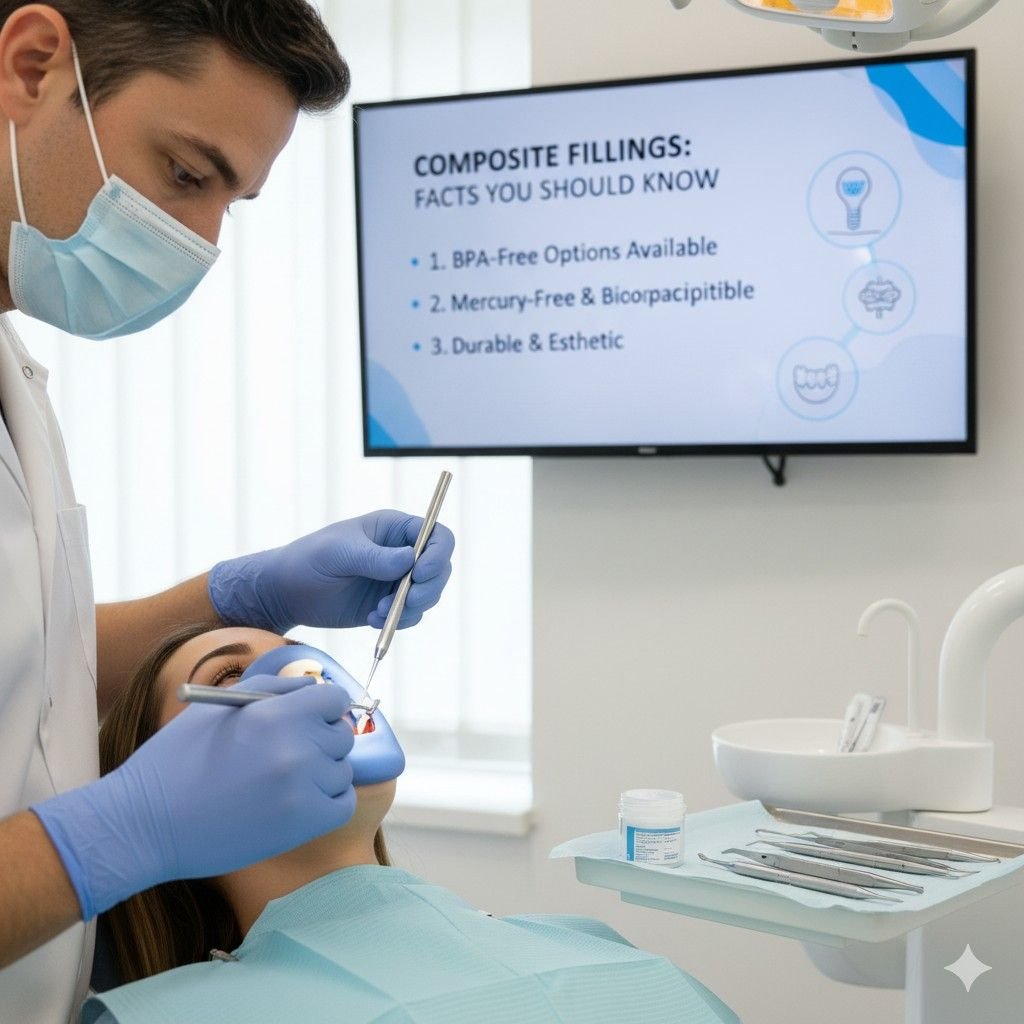
When you hear the words “you have a cavity,” the next step usually involves getting a filling. But with so many options available, it’s natural to wonder what materials are used—and more importantly, whether they’re safe. At Smiles On Tomken, one of the most common questions we hear from patients is: “Are composite fillings safe?” The short answer is yes, composite fillings are safe and widely used in modern dentistry. In fact, they’re one of the most popular choices for restoring decayed or damaged teeth—not only because of their safety but also for their aesthetic benefits. Let’s take a closer look at what composite fillings are, how they compare to other materials, and why they’re considered a safe and effective solution. What Are Composite Fillings? Composite fillings—also known as tooth-coloured fillings—are made from a mixture of resin (plastic) and glass or ceramic particles. This combination creates a strong, durable material that closely matches the natural colour of your teeth. As a result, composite fillings blend in seamlessly with your smile, making them a great option for both front and back teeth. They are used to: Repair cavities Fix chipped or broken teeth Close gaps between teeth Reshape teeth for cosmetic purposes Are Composite Fillings Safe? Yes, composite fillings are considered safe by dental professionals and major health organizations, including the Canadian Dental Association (CDA) and the American Dental Association (ADA). Here are a few reasons why they’re considered safe: Mercury-Free Material Unlike traditional silver (amalgam) fillings, composite fillings contain no mercury. This is a big reason why many patients—and dentists—prefer them. Although amalgam fillings are still considered safe by many authorities, some individuals choose to avoid mercury for personal health and environmental reasons. Biocompatibility Composite materials are biocompatible, meaning they are generally well-tolerated by the body. Allergic reactions are extremely rare, but if you have known sensitivities or health concerns, our team at Smiles On Tomken can help assess what’s best for your needs. Safe for All Ages Composite fillings are safe for children, teens, adults, and seniors. In fact, they are often the preferred choice for pediatric dental care because they are less noticeable and require less tooth removal. Benefits of Composite Fillings Beyond safety, composite fillings offer several benefits that make them an attractive option for patients seeking both form and function. ✔ Natural Appearance The biggest advantage of composite fillings is that they match your natural tooth colour, making them ideal for visible areas of your mouth. Once placed, they are virtually invisible. ✔ Minimally Invasive Composite resin bonds directly to your tooth, allowing for a more conservative treatment. Less drilling means more of your natural tooth is preserved. ✔ Versatile Use Composite material can be used not only for fillings but also for cosmetic improvements like reshaping teeth or repairing chips. ✔ Strong and Durable Modern composites are durable and can last many years, especially with good oral hygiene and regular dental checkups. Are There Any Downsides? Like all dental materials, composite fillings have a few limitations to consider: Slightly Less Durable Than Amalgam: In some cases—particularly with large fillings in back molars—composite may wear faster than metal. However, advances in material technology have greatly improved their strength. Slightly More Expensive: Composite fillings may cost a bit more than amalgam, but many patients find the natural look well worth the difference. Technique-Sensitive: Proper placement requires a dry field and more time, which is why it’s important to have them done by an experienced dental team—like ours at Smiles On Tomken. How Long Do Composite Fillings Last? With proper care, composite fillings can last 7 to 10 years or more. Factors like oral hygiene, diet, teeth grinding, and the size of the filling can affect longevity. Regular checkups help monitor your fillings and ensure they’re holding up well. What Happens During a Composite Filling Procedure? Getting a composite filling is a straightforward process. Here’s what to expect at Smiles On Tomken: Numbing the Area: Local anesthesia is used to keep you comfortable. Removing Decay: The damaged part of the tooth is carefully cleaned out. Placing the Filling: Composite resin is applied in layers, cured with a special light, then shaped and polished to match your tooth. Bite Adjustment: We check your bite and make adjustments so your teeth come together comfortably. You can eat and drink shortly after the procedure, although we recommend waiting until the numbness wears off completely. Final Thoughts Composite fillings are a safe, attractive, and reliable solution for treating cavities and restoring damaged teeth. They provide excellent performance and blend in beautifully with your natural teeth—without the use of metals or mercury. At Smiles On Tomken, your health and safety are our top priorities. If you have concerns about your fillings or want to learn more about your options, we’re here to help you make the best choice for your smile. Need a Filling or Want to Replace Old Ones? Book an appointment with Smiles On Tomken today and let our experienced dental team provide you with high-quality, personalized care. 📞 Call us or 📅 book online—we’re here to help you smile with confidence!